
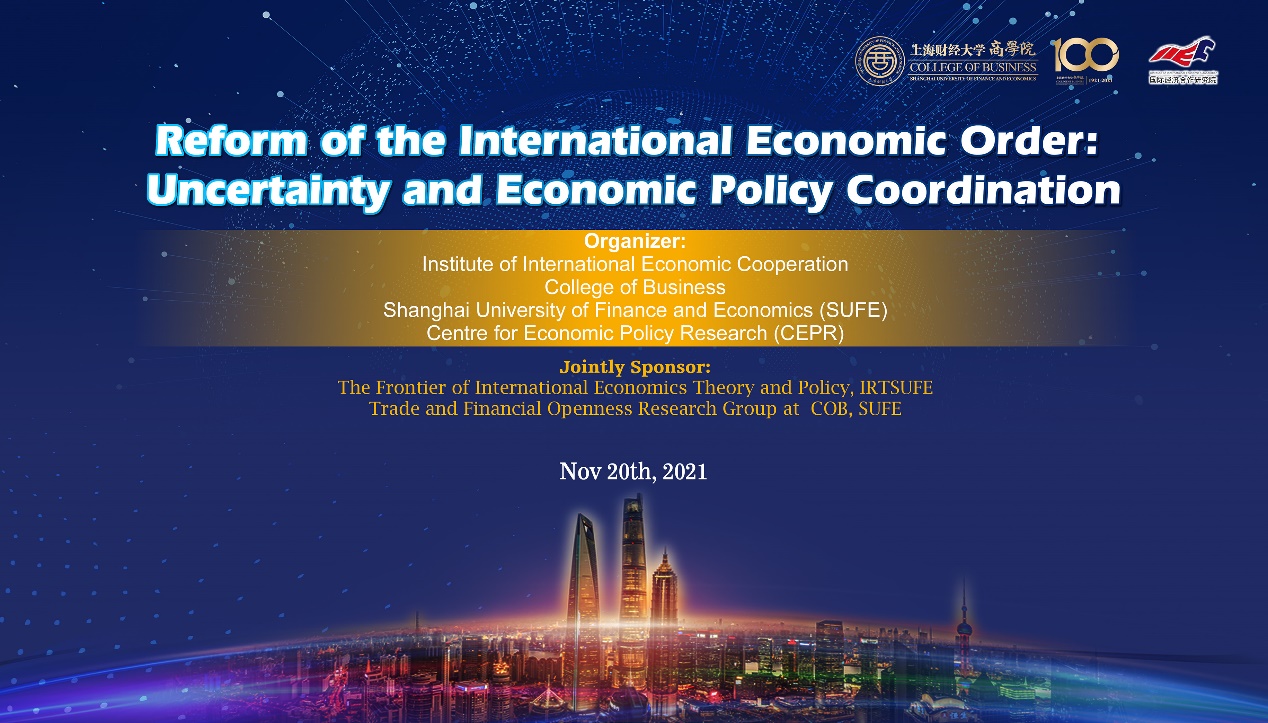
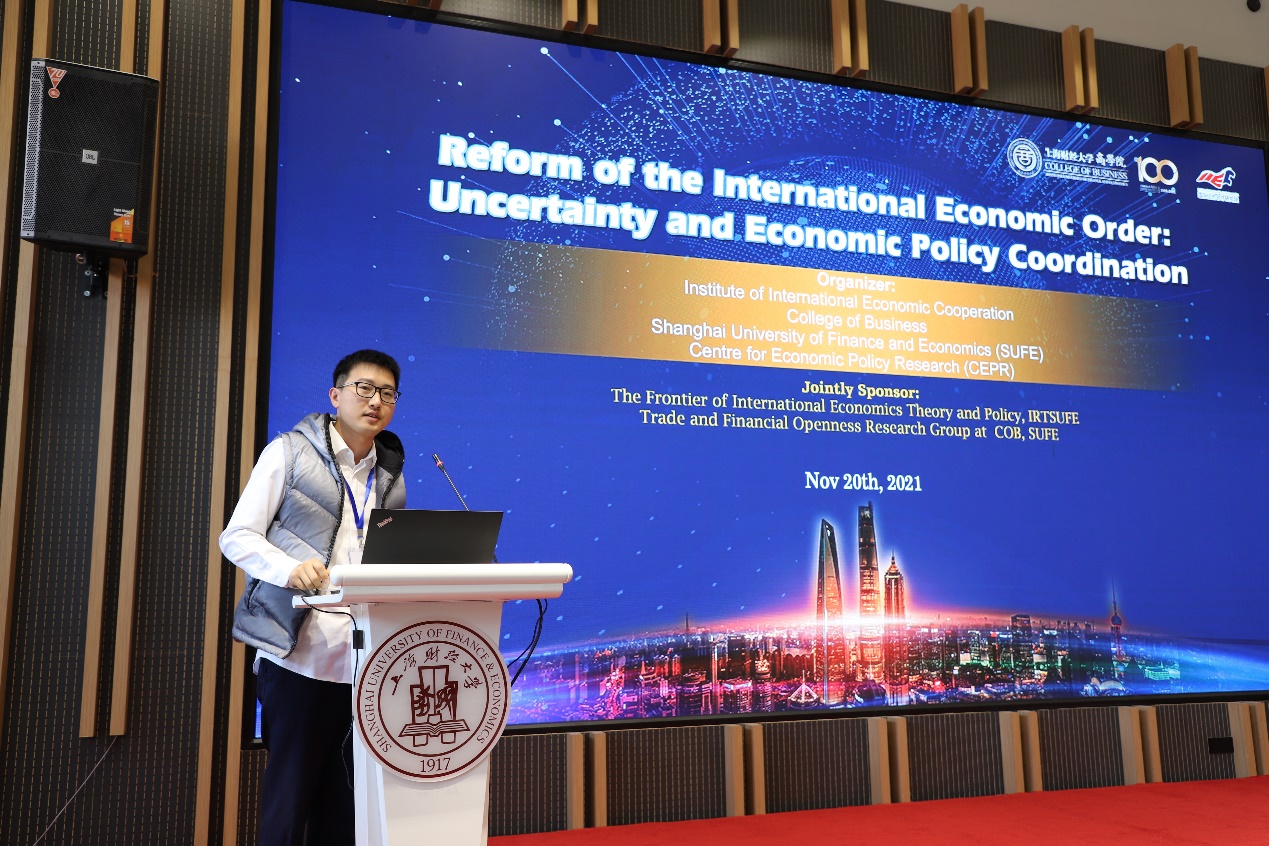
In order to promote the construction of the world economics discipline of our school, strengthen cooperation and information exchanges between domestic or foreign scholars and high-level academic journals, on November 20th, The 2021 "Reform of International Economic Order: Uncertainty and Economic Policy Coordination" seminar organized by Shanghai University of Finance and Economics Institute of International Economic Cooperation and internationally renowned publication JIMF (Journal of International Money and Finance) was held in the Science and Technology Park of Shanghai University of Finance and Economics. This seminar was held in a combination of online and offline methods. Experts and scholars from universities and scientific research institutions in the Netherlands, the United States, the United Kingdom, Hong Kong, and Mainland China, as well as teachers and students from our school, participated in the meeting.
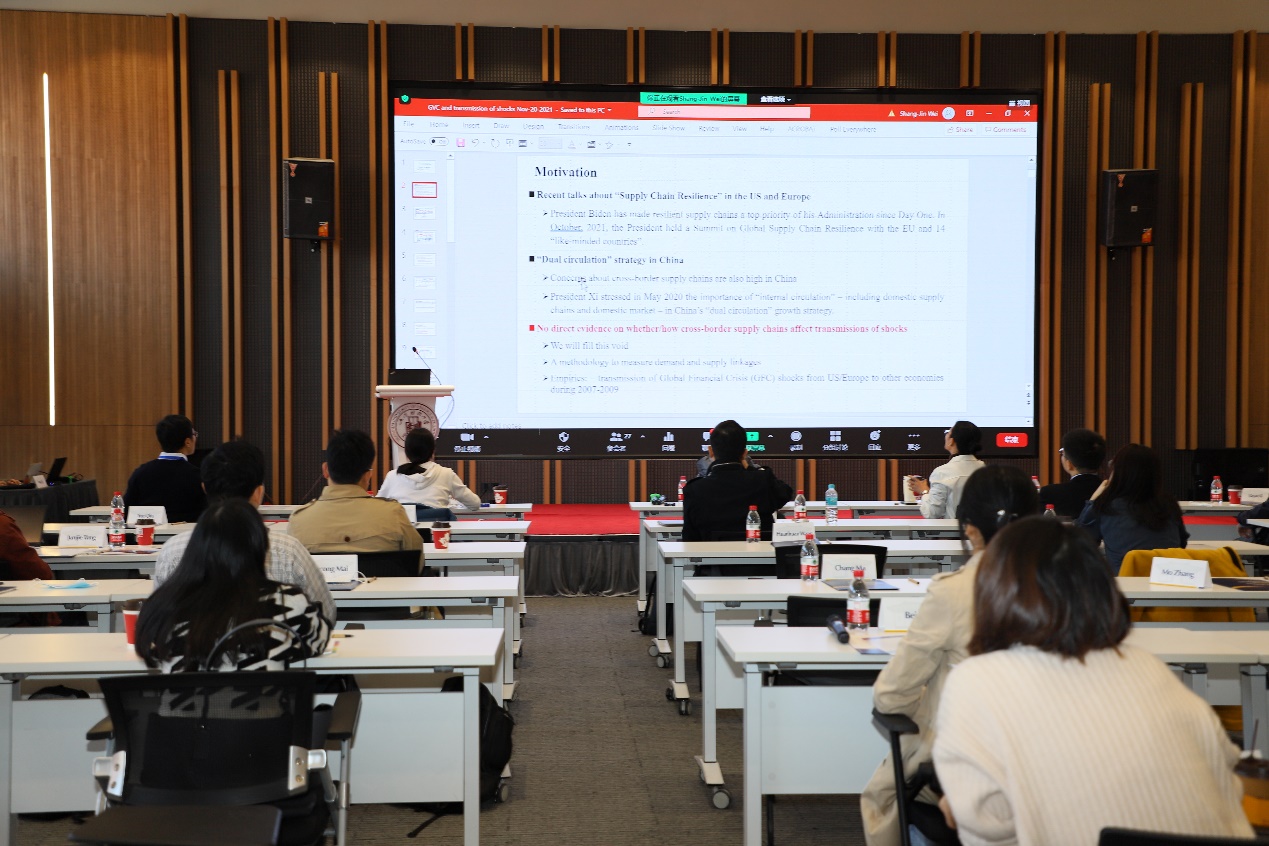
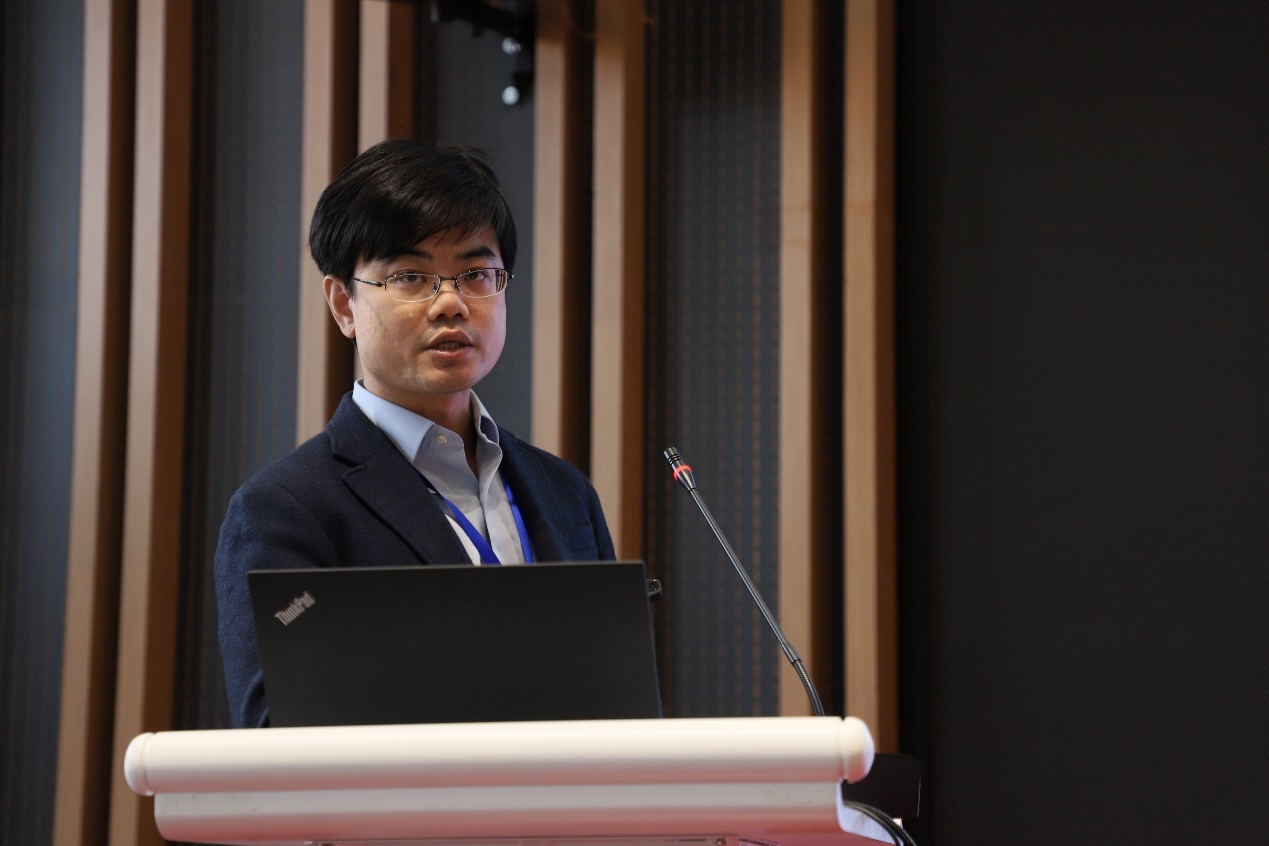
Professor Yuying Jin,served as Director of the Research Office of Shanghai University of Finance and Economics, Executive Dean of the Institute of International Economic Cooperation, Special Editor of JIMF,presided over the opening ceremony of the seminar and delivered a speech.On behalf of the Institute of international economic cooperation, Professor Yuying Jin extended a warm welcome and heartfelt thanks to the participants. After reviewing the successful holding of the "2019 International Seminar on financial and capital opening in emerging markets", she focused on the theme of this seminar and pointed out that in the formulation and realization of the global economic order, uncertainty is its characteristic, and it is also profoundly affecting the trend of the new order. After that, Professor Yuying Jin briefly explained the submission and paper selection of the seminar, then introduced the keynote speakers.
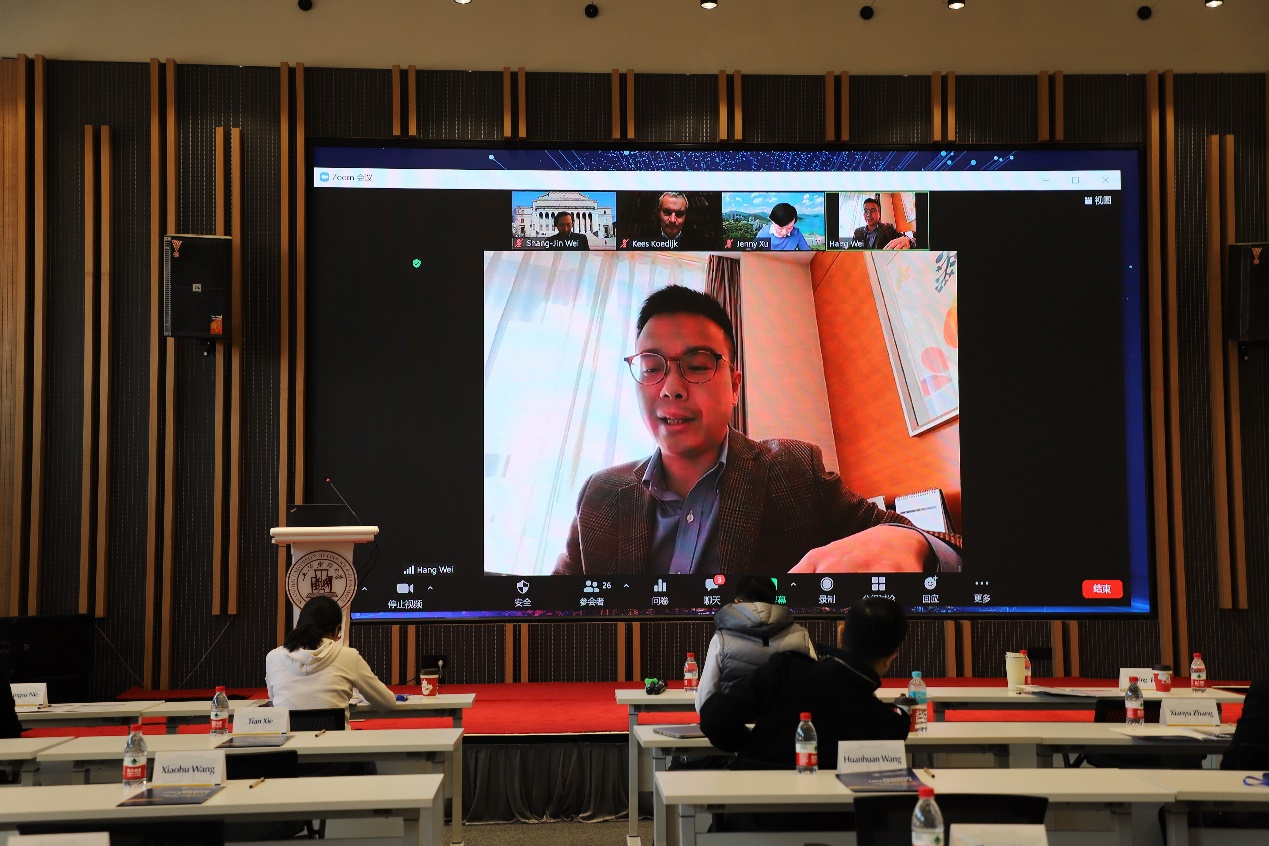
Professor Hang Wei, executive vice president of the Business School of Shanghai University of Finance and economics, introduced the historical evolution and centennial development achievements of the business school since its eastward move to Shanghai, he also introduced the basic situation of the school at present and the development strategy of the school in the future, expressing the expectations and support for the seminar, and gratitude and welcome to the guestsrespectively.
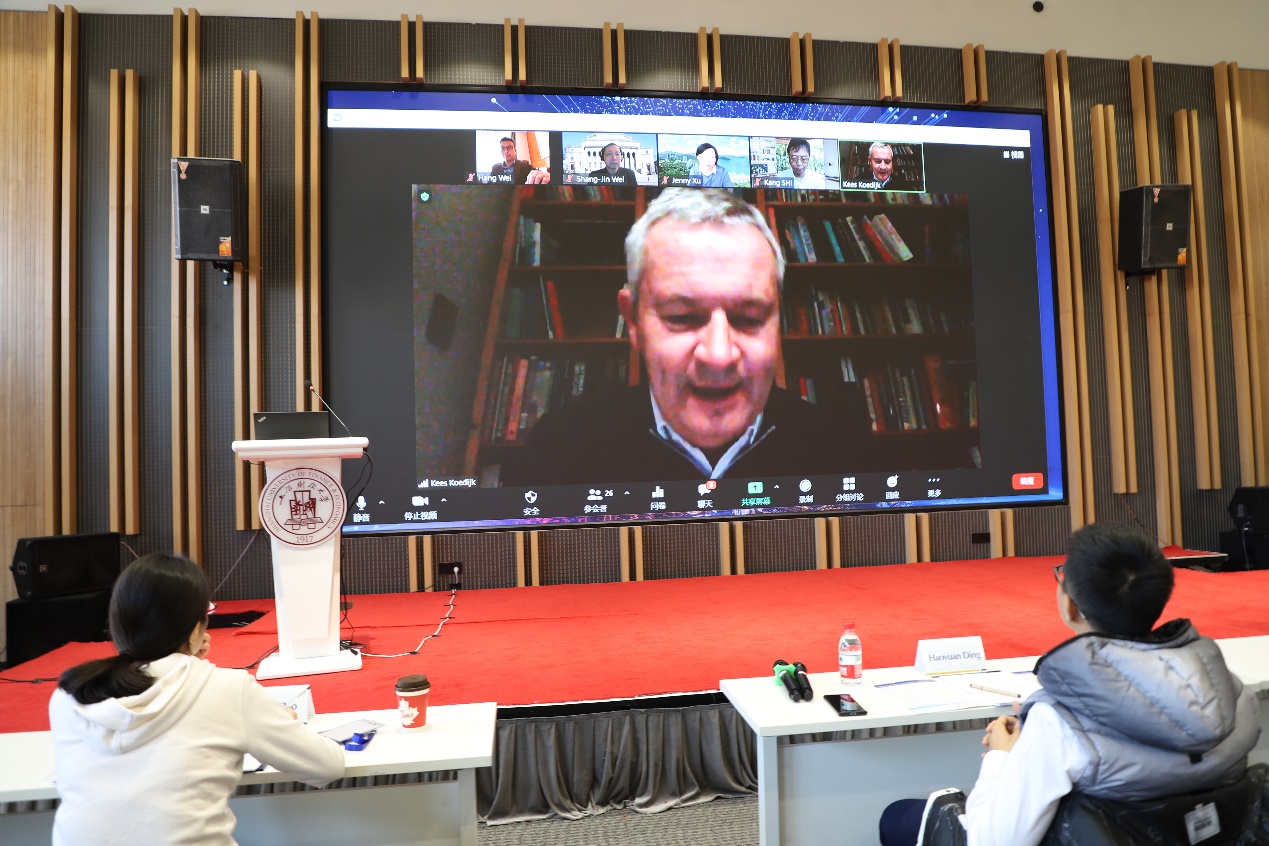
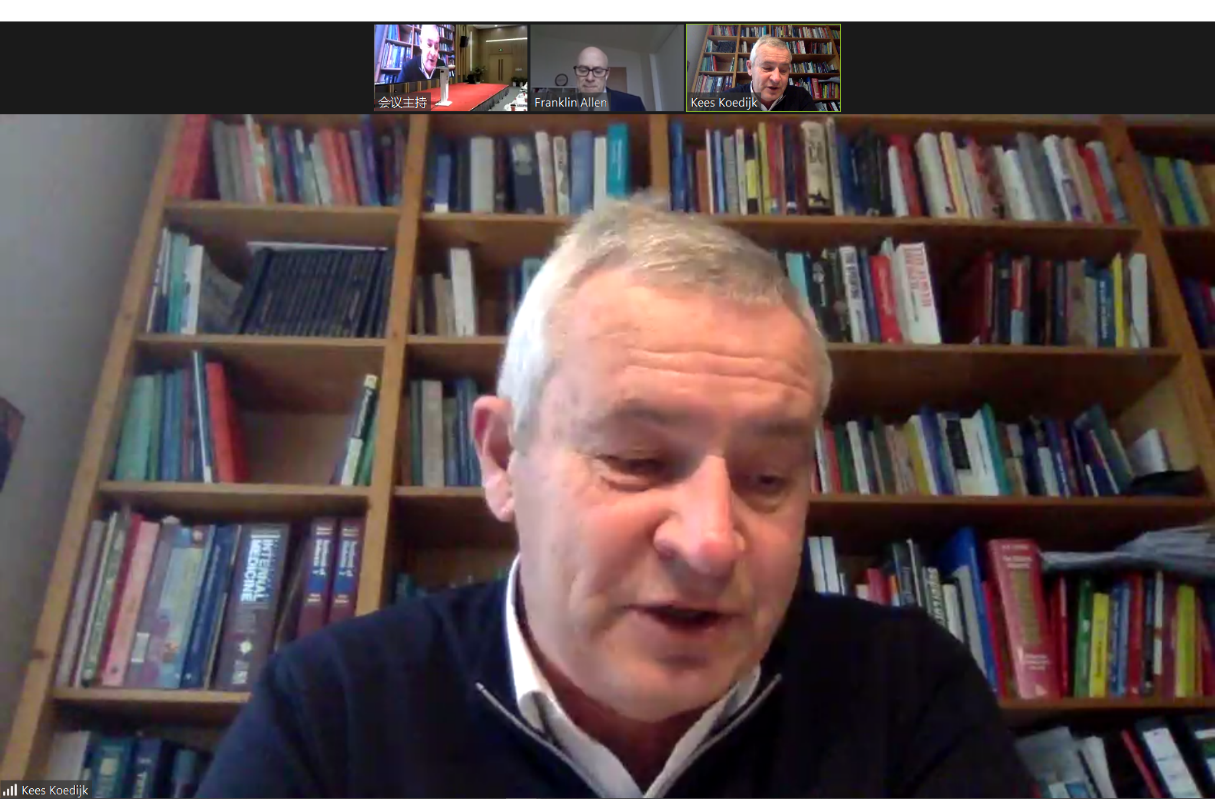
Professor Kees koedijk, co-editor of JIMF and professor of Utrecht University in the Netherlands, praised the seminar organized by the Institute of International IEconomic Cooperation, and expressed the thanks to the organizers of the seminar for their hard work and the participation of the guests.
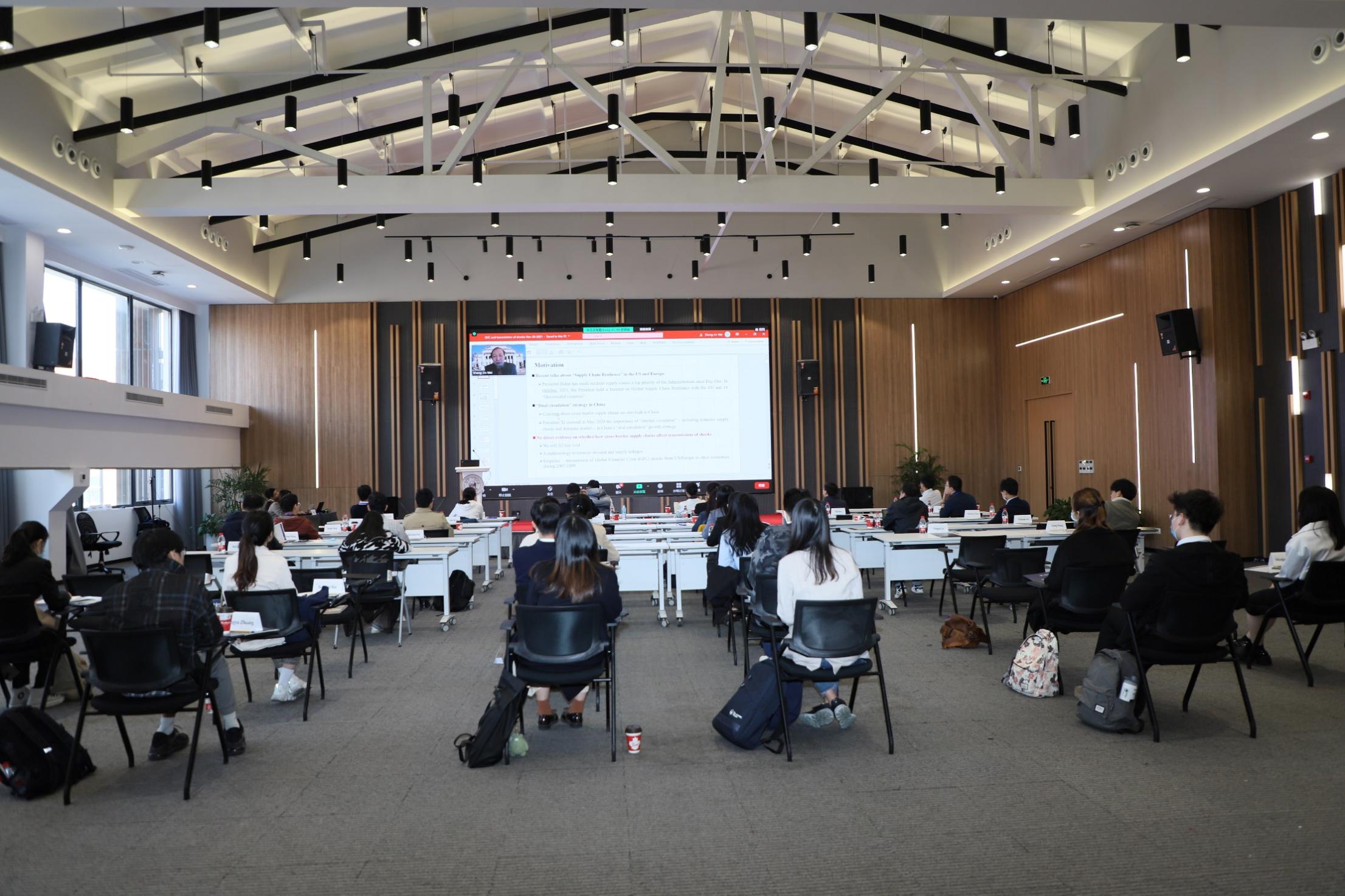
The one-day seminar is divided into morning and afternoon sessions, including 2 keynote speeches and 12 papers. Professor Shangjin Wei from Columbia University and Professor Franklin Allen from Imperial College of technology delivered keynote speeches respectively. The 24 scholars were coming from Hong Kong University of science and technology, Fudan University, Renmin University of China, Tsinghua University, East China University of technology, Southwest University of Finance and economics, Shanghai University of Finance and economics, East China Normal University, Shanghai University of foreign trade and economics, Chinese University of Hong Kong (Shenzhen) 24 scholars from Central University of Finance and economics, Nankai University and Shanghai Foreign Studies University giving speeches or discussing the participating papers respectively.Taking the global economic uncertainty as the background, these articles discussed the topics of transnational supply chain, epidemic prevention and control policy, exchange rate fluctuation, monetary policy, financial integration, global capital flow, foreign direct investment, employment, bank liquidity, financial technology and virtual currency, reflecting the latest international academic frontier trends.
【Keynote Speech Ⅰ】
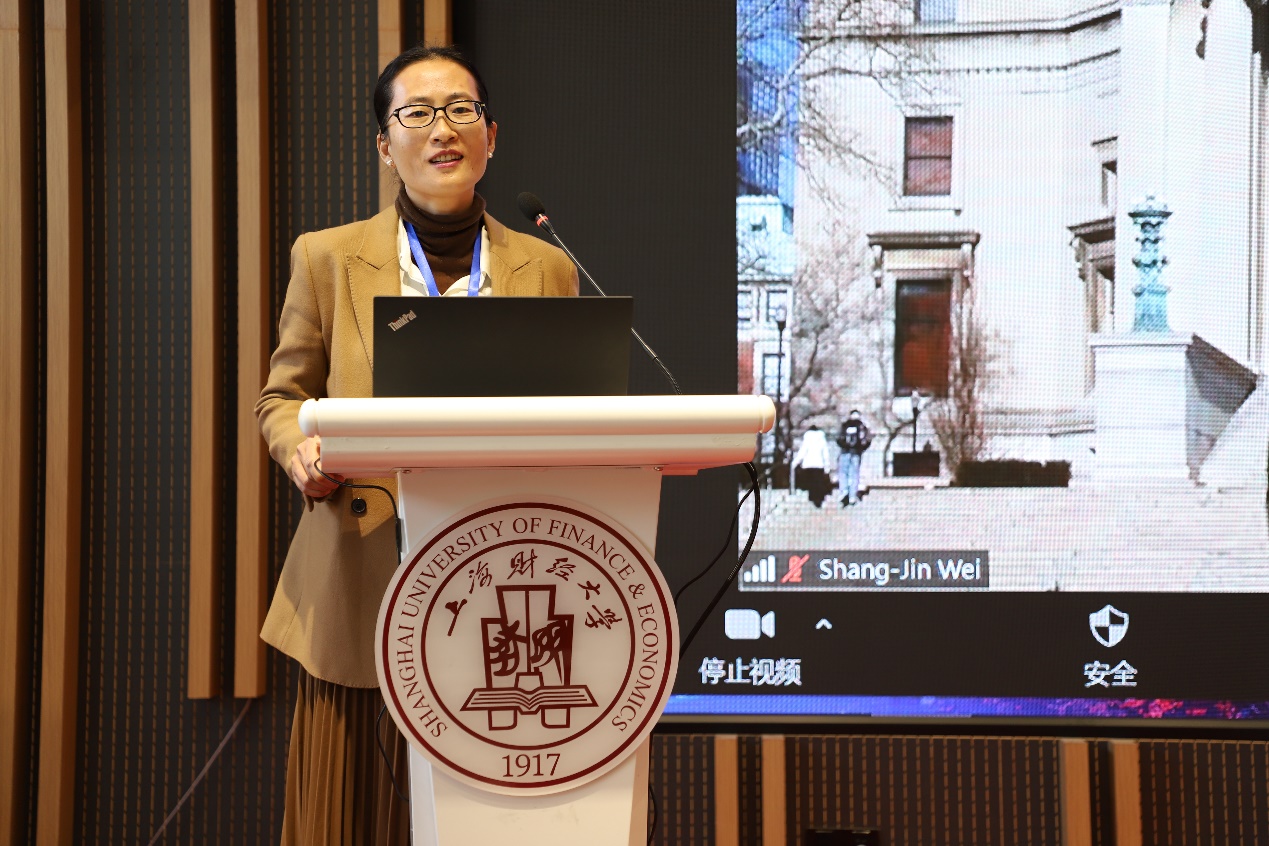
The theme of Professor Shangjin Wei 's keynote speech at Columbia University is "cross border supply chains and transmission of macroeconomic shocks".
Although there are informal discussions on the role of transnational supply chains in the impact of foreign economic shocks, there is no direct and formal evidence. This study by Professor Wei Shangjin and his collaborators fills this gap. They found that although the global financial crisis in 2008-2009 began in the United States and Europe, the GDP of other countries changed synchronously with that of Europe and the United States. By constructing a consistent framework to measure the demand supply relationship between a country and foreign economies, and using the impact of the global financial crisis as a quasi natural experiment, this paper studies the impact of the demand and supply relationship between other countries and Europe and the United States on the added value of relevant domestic departments. The results show that the supply chain channel is important, Indirect demand and indirect supply chain are particularly important.
Since then, the academic paper seminar was presided over by Professor Haoyuan Ding, vice president of the Institute of international economic cooperation of Shanghai University of Finance and economics, and deputy editor in chief of JIMF.
【Academic paper report and discussion】
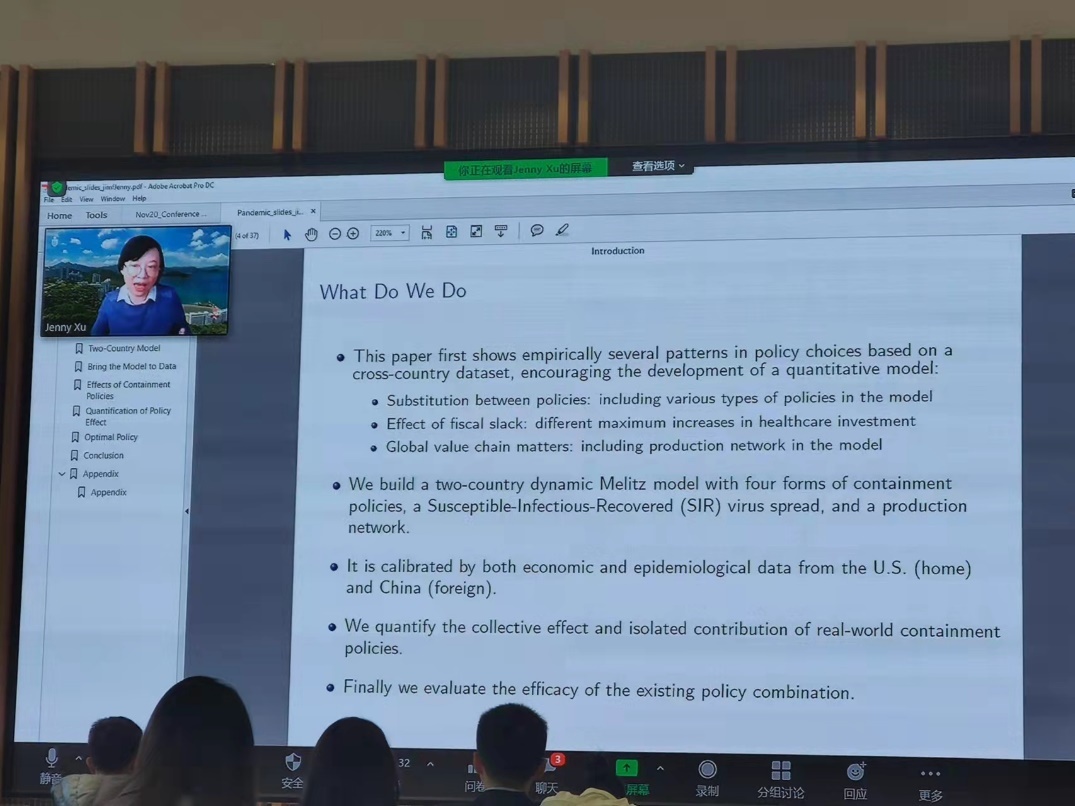
The theme of the speech by Associate Professor Junyi Xu of Hong Kong University of science and technology is "pandemic and containment policies in open economy". She analyzed the economic and epidemiological externalities of four prevention and control policies (closing the workplace, limiting social distance, emergency medical investment and limiting cross-border mobility) in an open economic environment with enterprise entry-exit behavior, sir virus transmission and production network. The research of Associate Professor Junyi Xu constructed a theoretical model based on the empirical results of different prevention and control policies in various countries, and found that the policy of closing the workplace is the most effective in epidemic management. Social distance restriction is a beggar thy neighbor strategy. In her speech, she proposed that inter-state policy cooperation enables each country to specialize in different policies and improve the overall welfare. The policies in the real world are different from the optimal policies in cooperation and Nash equilibrium, but they are often close to the suboptimal policies in the case of "preparing for the worst". Shi Qiu, an assistant professor from Fudan University, put forward corresponding suggestions on the study from three aspects: the different epidemic prevention and control policies between China and the United States, the CARES act and work at home, quarantine ability and medical expenditure.
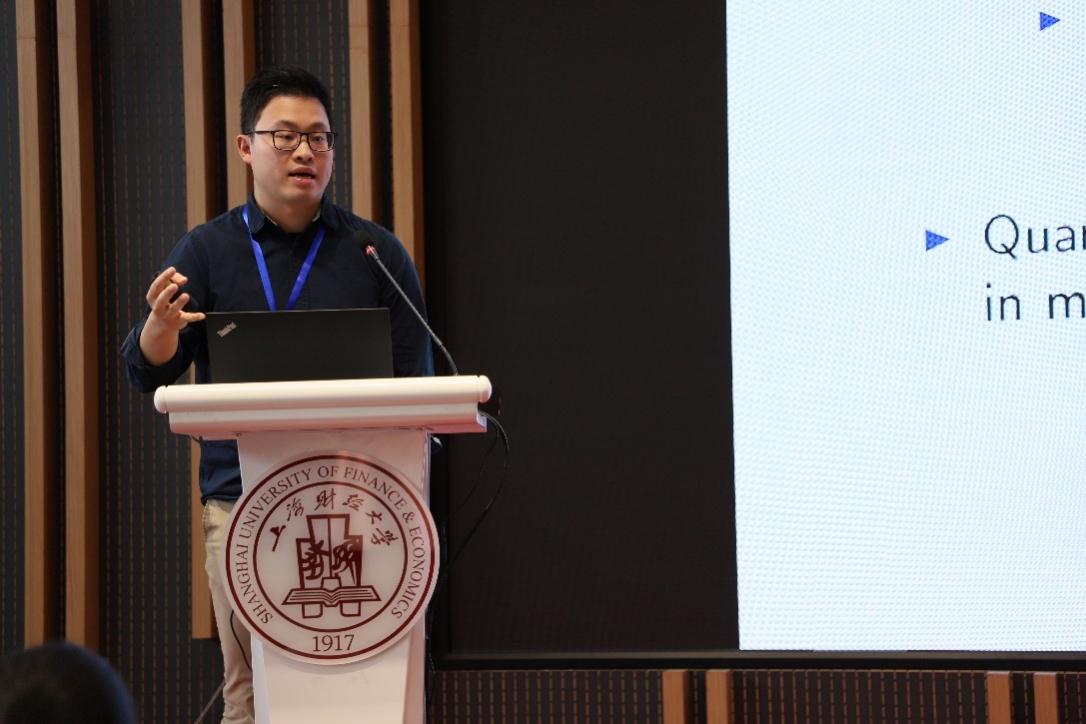
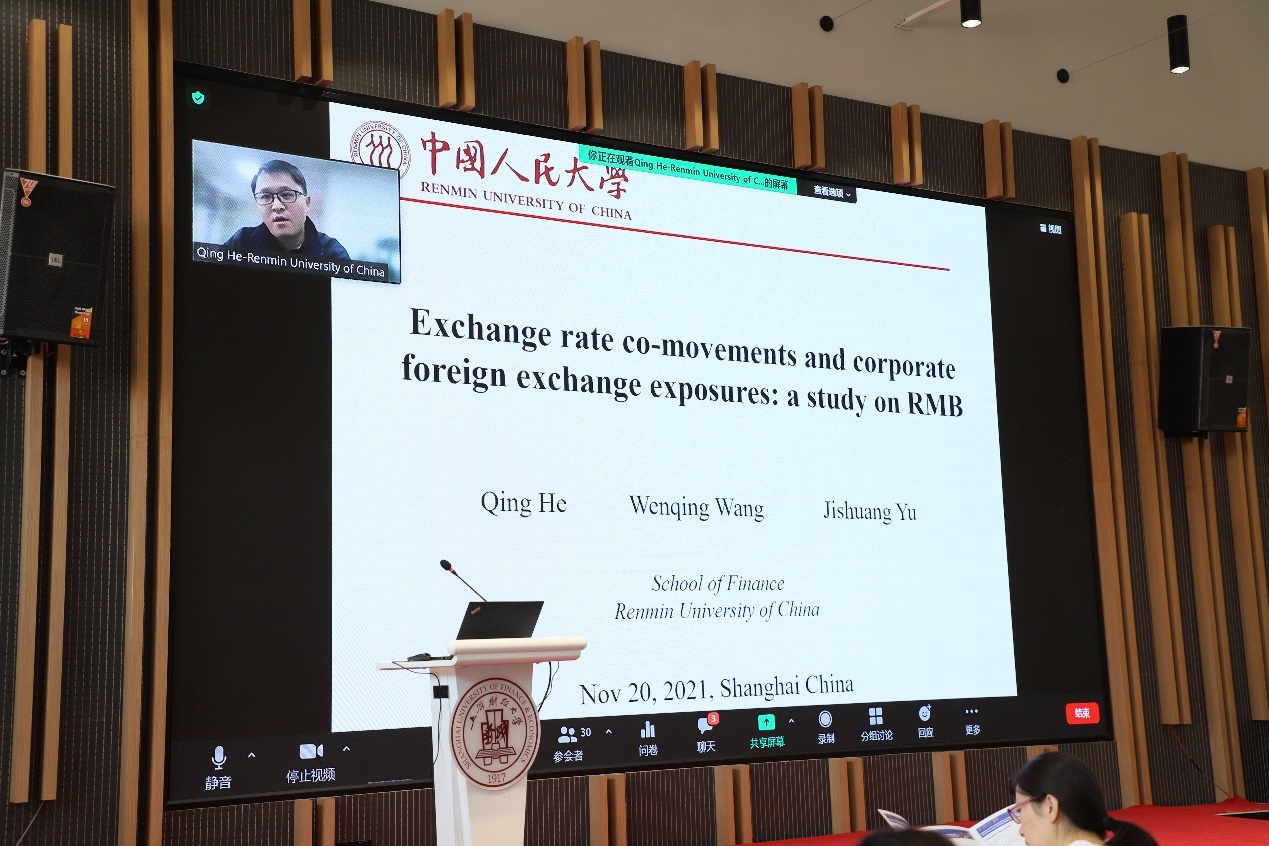
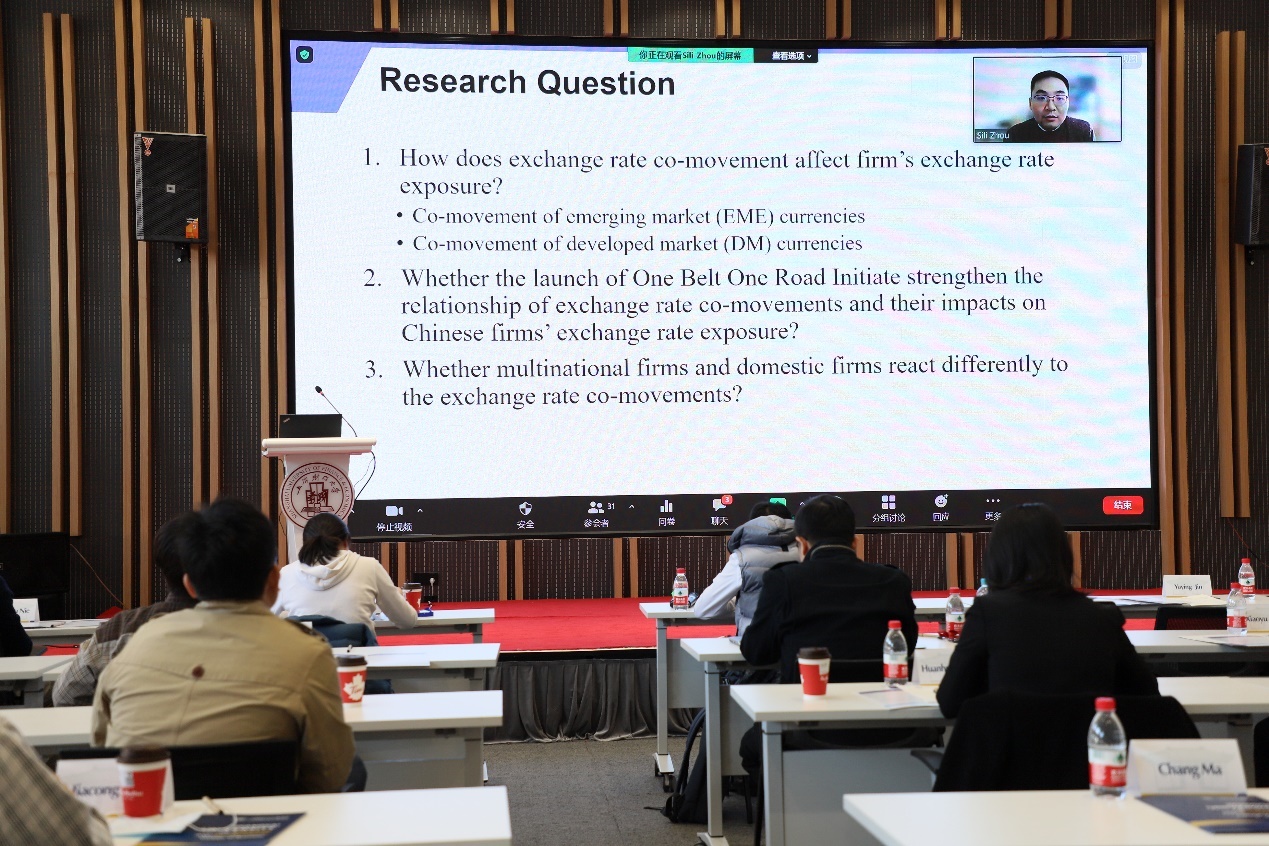
The theme of Professor Qing He's speech at Renmin University of China was "exchange rate co-movements and corporate foreign exchange exposures: A Study on RMB". This paper studies the relationship between bilateral exchange rate linkage between countries and exchange rate exposure risk of Chinese enterprises. It was found that the exchange rate exposure risk of Chinese Enterprises would be significantly enhanced in the period of high fluctuation of bilateral exchange rate linkage between countries. The impact of the bilateral exchange rate linkage between the above-mentioned countries on the exchange rate exposure risk of Chinese companies had become more obvious after the launch of the "Belt and Road" initiative, it was the same when the RMB was included in the SDR basket and the situation between multinational companies. Research evidence showed that RMB internationalization (i.e. its anchoring effect) helped to reduce the exchange rate exposure risk of Chinese enterprises. Assistant Professor Sili Zhou of Fudan University put forward many constructive and targeted suggestions from the aspects of cause and effect identification, mechanism and channel, heterogeneity and so on.
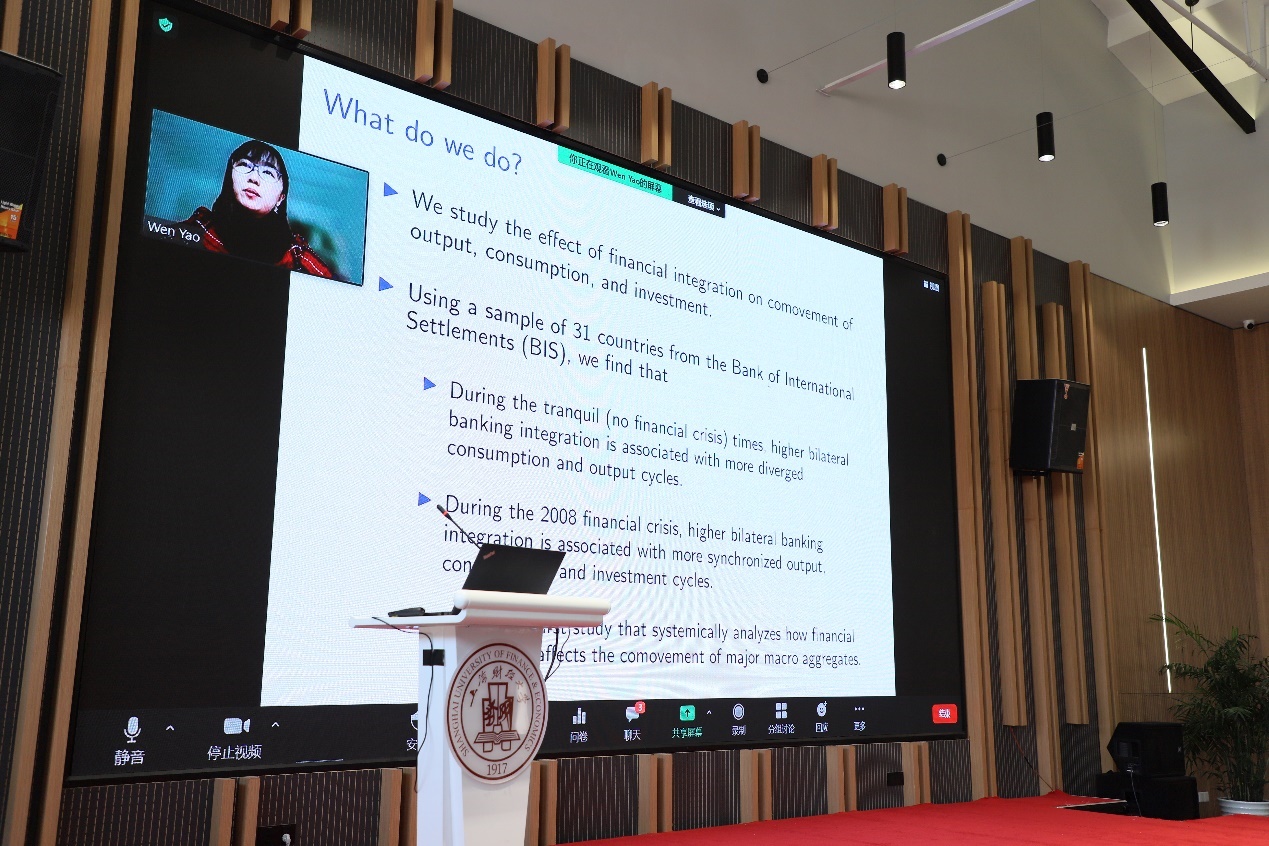
The theme of the speech by Associate Professor Wen Yao of Tsinghua University was"the effects of financial integration during crisis". Firstly, this paper empirically testsed the impact of the improvement of the degree of bilateral financial integration on the synchronization of economic cycles of the two countries. The results showed that in the period of non-financial crisis, the higher the degree of financial integration, the more differentiated the output cycle; In the period of economic crisis, the higher the degree of financial integration, the more synchronous the output cycle. Financial integration had a similar impact on consumption cycle and investment cycle. Then, she introduced a DSGE theoretical model of two countries. According to the derivation of the model, it was found that the transmission of the impact of the crisis on the economic cycle depend on the type of impact. Under the impact of productivity, the economic cycles of the two countries tended to be more differentiated and more synchronized under the impact of credit. In his comments, Assistant Professor Meichen Chen of East China University of technology pointed out that the reasons behind the more differentiation of the economic cycle in non-crisis periods need to be supplemented, the problems of endogenous and reverse causality need to be better solved, and whether there will be different results in specific periods or specific types of countries could be studied.
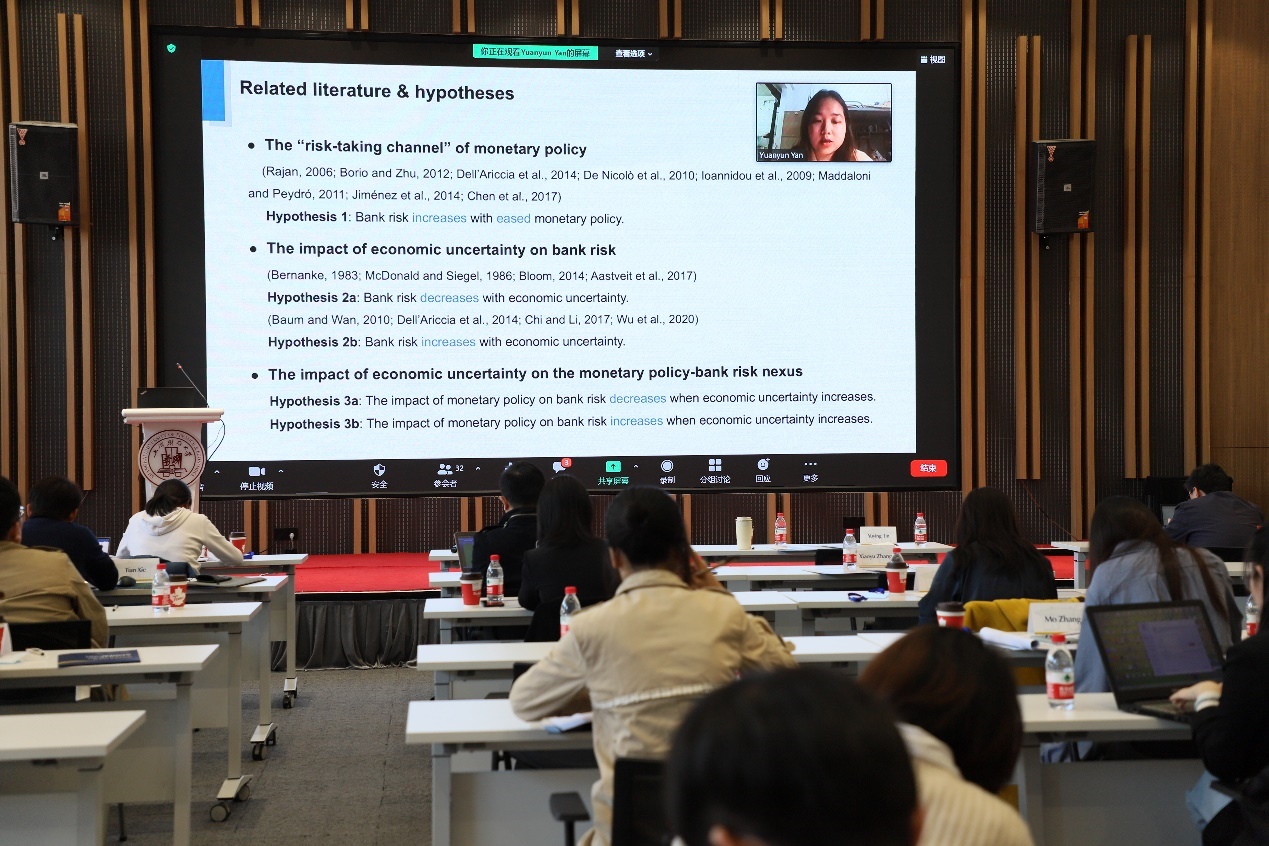
The theme of Dr. Yuanyun Yan's speech at Southwest University of Finance and economics is "monetary policy, economic uncertainty and bank risk: cross country evidence". This paper selected more than 1100 listed commercial banks in 43 countries as samples, and re-explored the impact of monetary policy on bank stability by incorporating economic uncertainty. The results showed that the level of bank stability increased (decreased) with the tightening (relaxation) of monetary policy; When economic uncertainty rised, the impact of monetary policy on bank stability was weakened; The rising of uncertainty had a more significant impact on banks with small scale, low liquidity and high income diversification; Uncertainty had no obvious effect on adjusting the leverage risk of monetary policy, but would weaken the effect of monetary policy on bank portfolio risk; When the uncertainty rised and under the loose monetary policy environment, banks may delay the reallocation of assets to high-risk projects, while the suspension and adjustment of bank risk-taking was not obvious when tightening monetary policy; When the central bank tightened (relaxed) monetary policy, the role of banks in systemic risk wiould usually decreased (increased). Associate Professor Linke Zhu of Shanghai University of Finance and economics pointed out that the paper should distinguish the impact of uncertainty on loan volume and loan risk. In addition, if the national characteristics and their interaction items were not controlled, it would cause some missing variables.
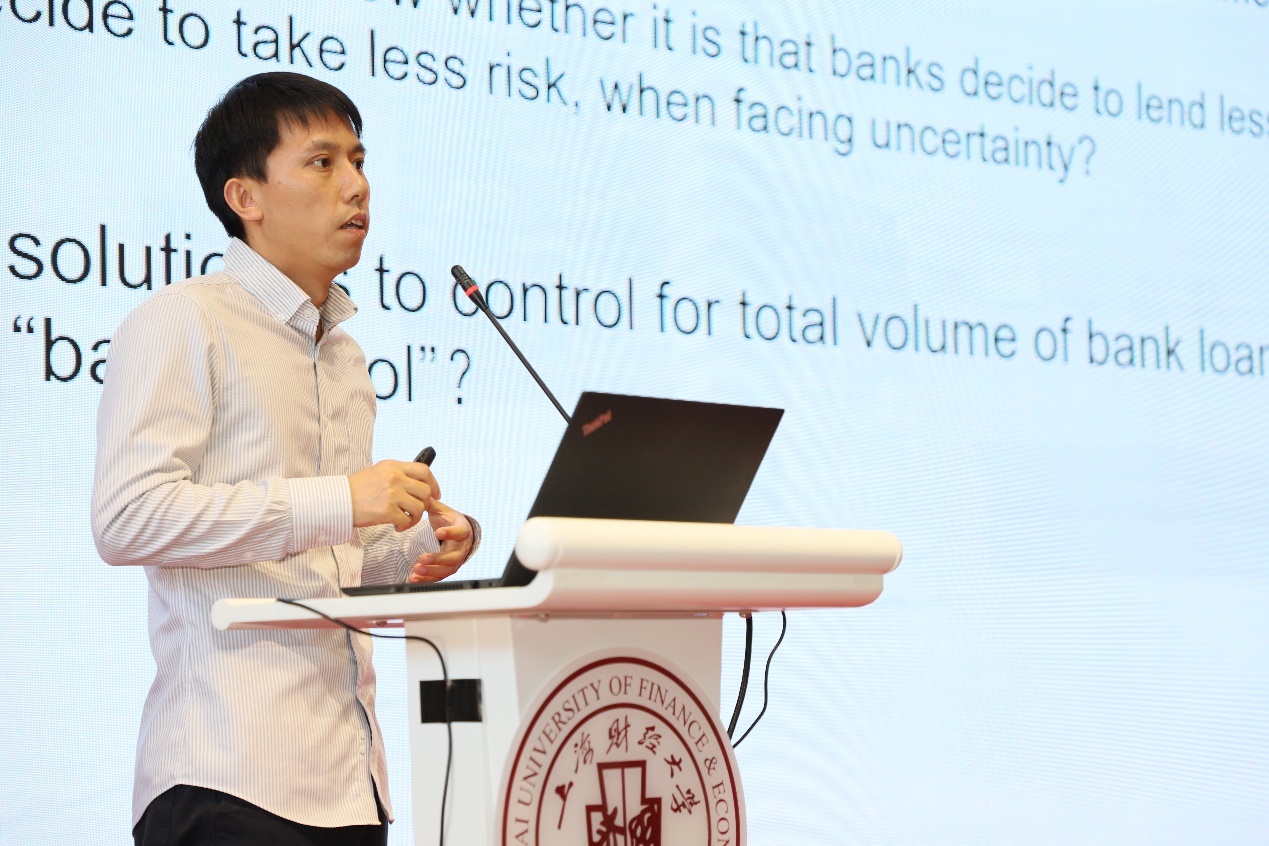
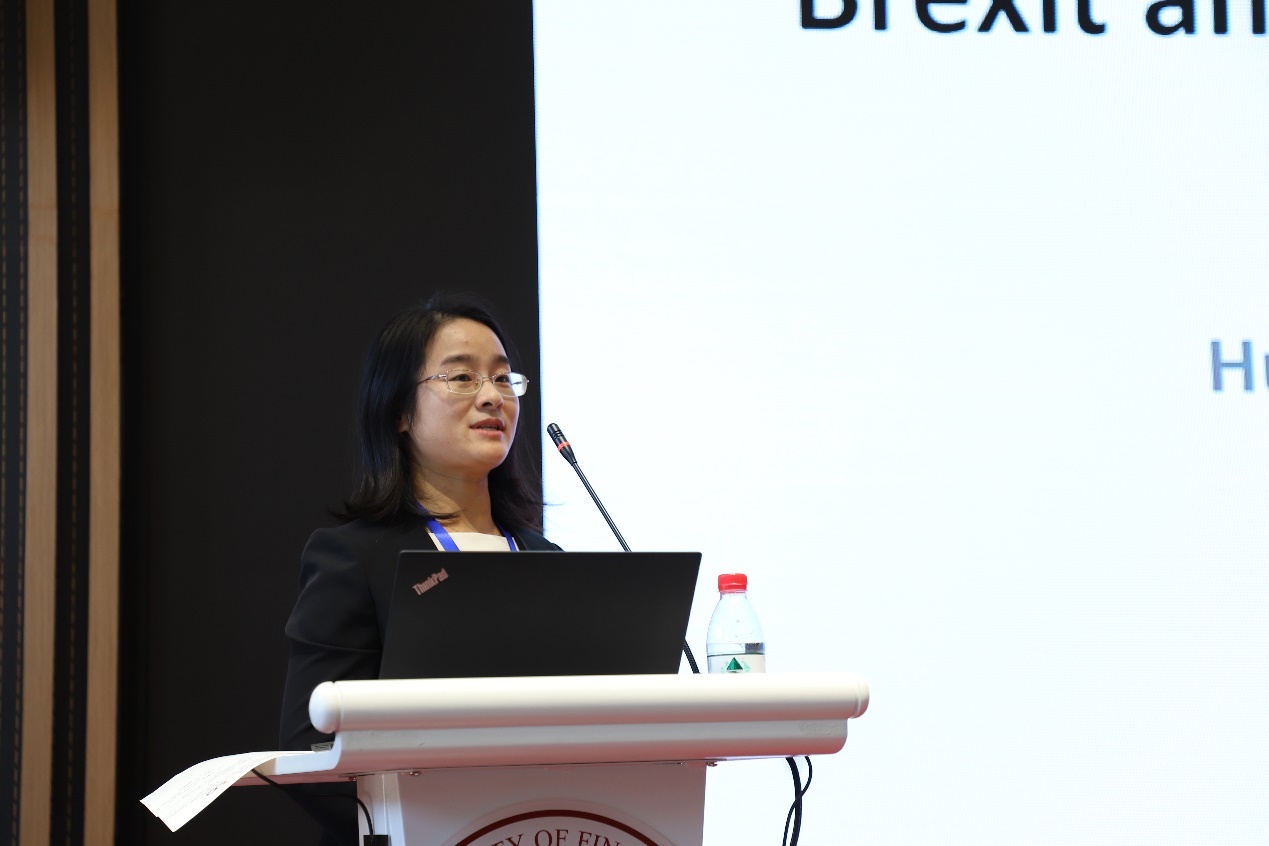
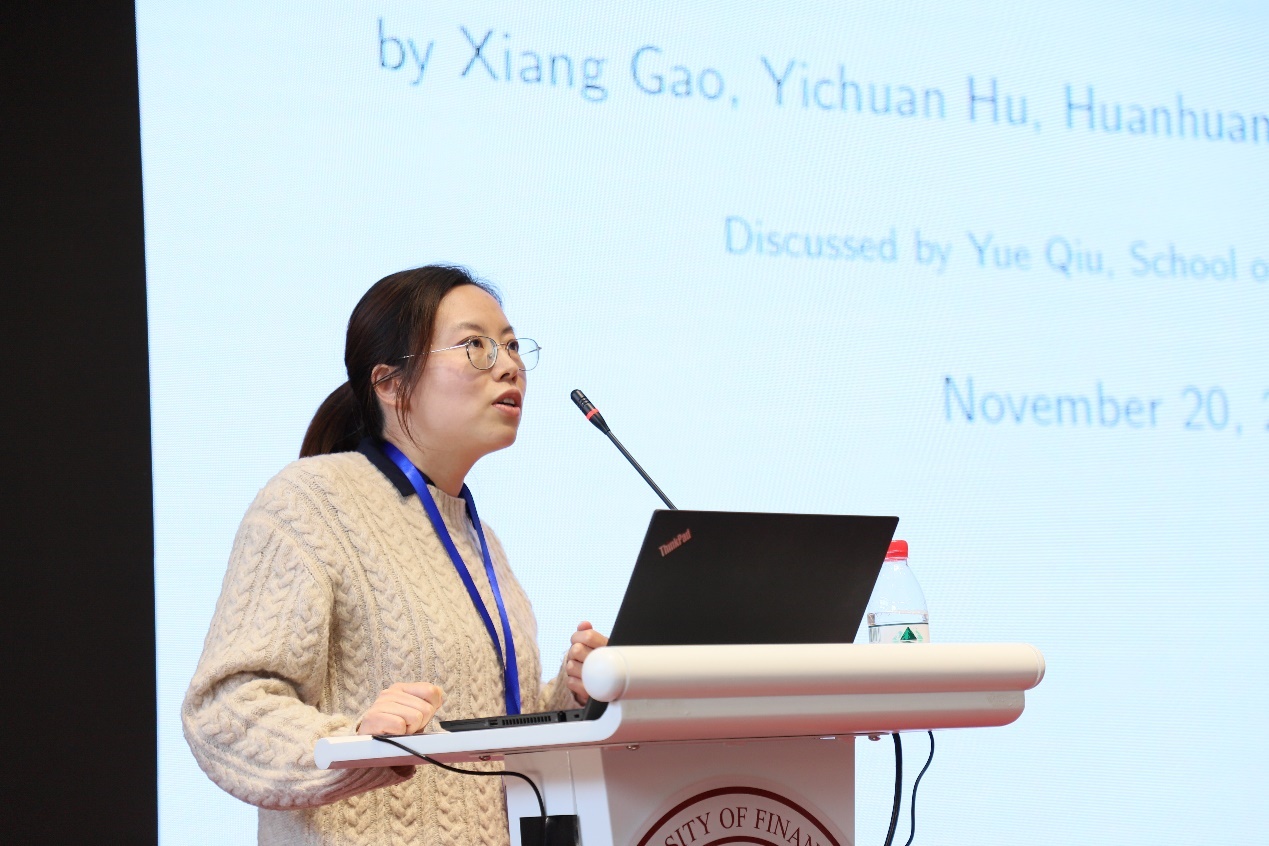
The theme of Professor Huanhuan Wang's speech at East China Normal University was "brexit and global fund capital reallocation". Taking the brexit event as the starting point, this paper analyzed two typical facts brought by the event: one was to increase the uncertainty of economic policy, the other was to reduce the market correlation between Britain and other countries; The DID model was used to investigate the impact of brexit on the portfolio allocation of global funds in various countries. Research showed that brexit had a great impact on the allocation of global equity funds. Equity funds transfered their assets out of the UK, but not the Europe, but to other European countries. Furthermore, the paper believed that the increase in economic policy uncertainty caused by Britain's brexit iwas the main channel affecting the adjustment of global fund portfolio. In addition, large cap funds, larger funds and funds with more geographically dispersed investment distribution reacted more strongly to the brexit event. Assistant Professor Yue Qiu of Shanghai University of international business and economics put forward suggestions on this, which could further improve the quantitative analysis of the reduction of market relevance and consider the impact of brexit on other types of funds such as bond funds.
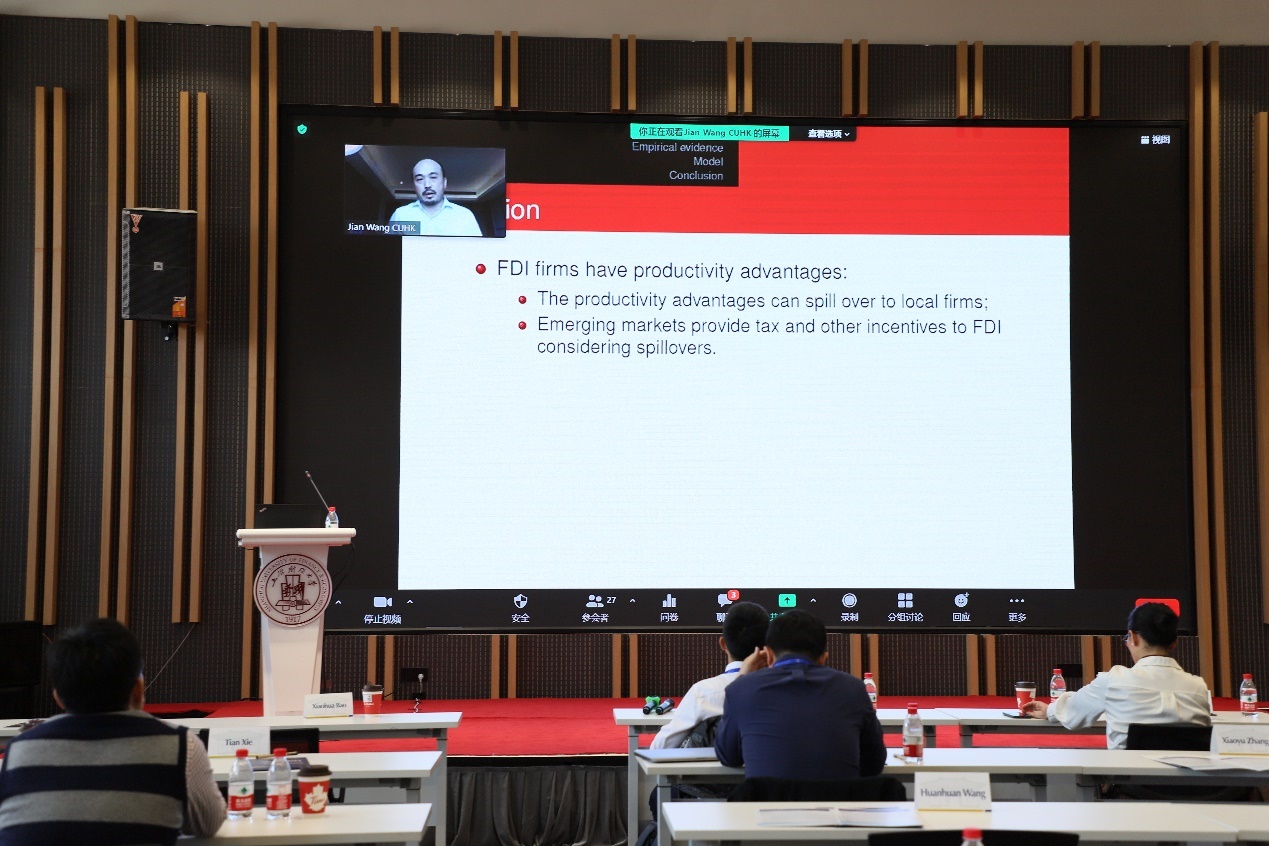
The theme of Professor Jian Wang's speech at the Chinese University of Hong Kong (Shenzhen) was "FDI and firm productivity in host countries: the role of financial constraints". This paper studied the impact of the financing advantages of FDI enterprises on the productivity of host enterprises. By adding financing constraints and FDI into the Melitz model and combining the data of Chinese industrial enterprises to test the relationship between financial vulnerability and enterprise productivity threshold, it was empirically found that FDI enterprises may have a lower productivity threshold than local enterprises, especially in the financial vulnerable sector. In addition, the paper also made a counter factual policy analysis. The research showed that providing tax incentives to FDI enterprises may be counterproductive, because the productivity of FDI enterprises may even be lower than that of local enterprises. Assistant Professor xican Xi of Fudan University made detailed comments on the paper. He thought it was a good idea to study the impact of FDI on productivity based on the financing advantages of FDI enterprises, and gave his own suggestions. For example, in the empirical aspect, we could further consider the differences of entry costs of FDI enterprises in different industries and the differences of financing constraints between state-owned enterprises and private enterprises.
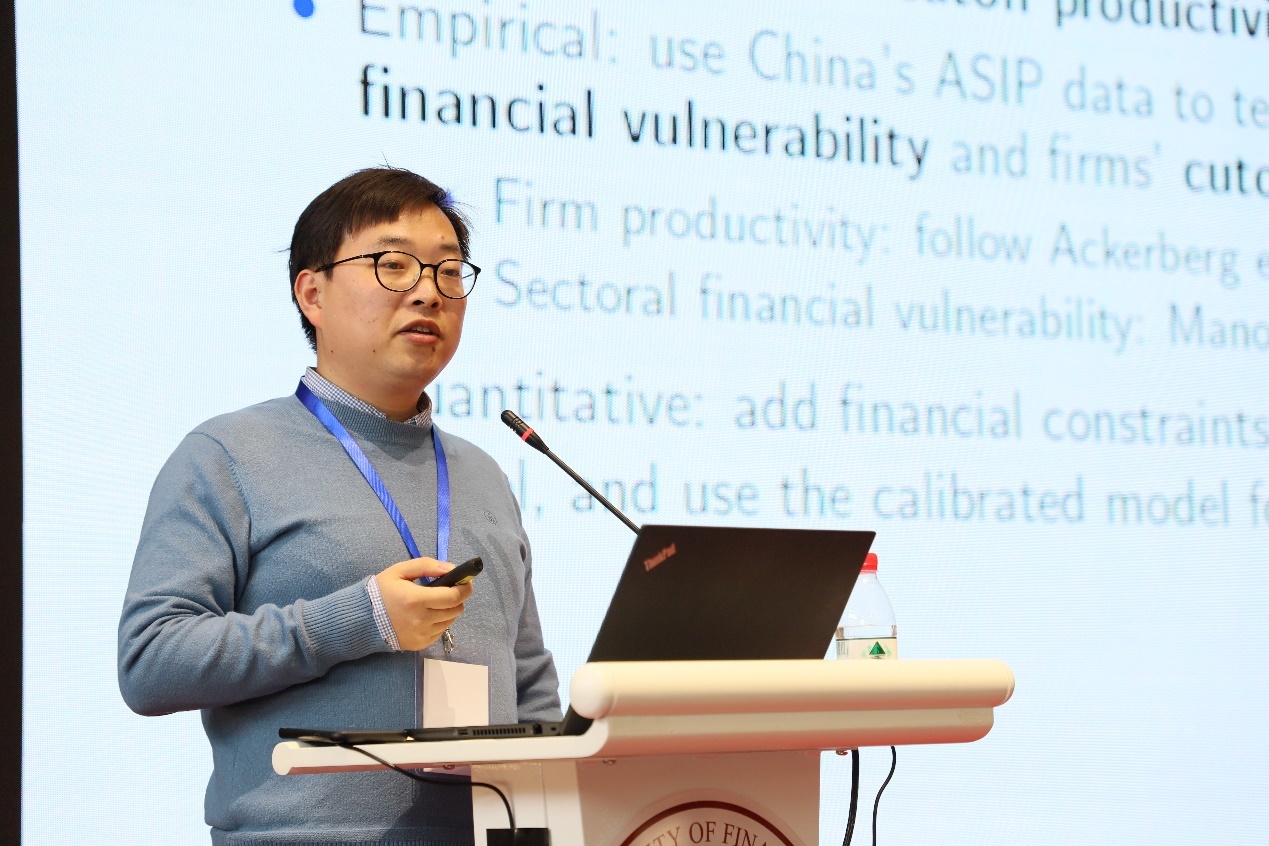
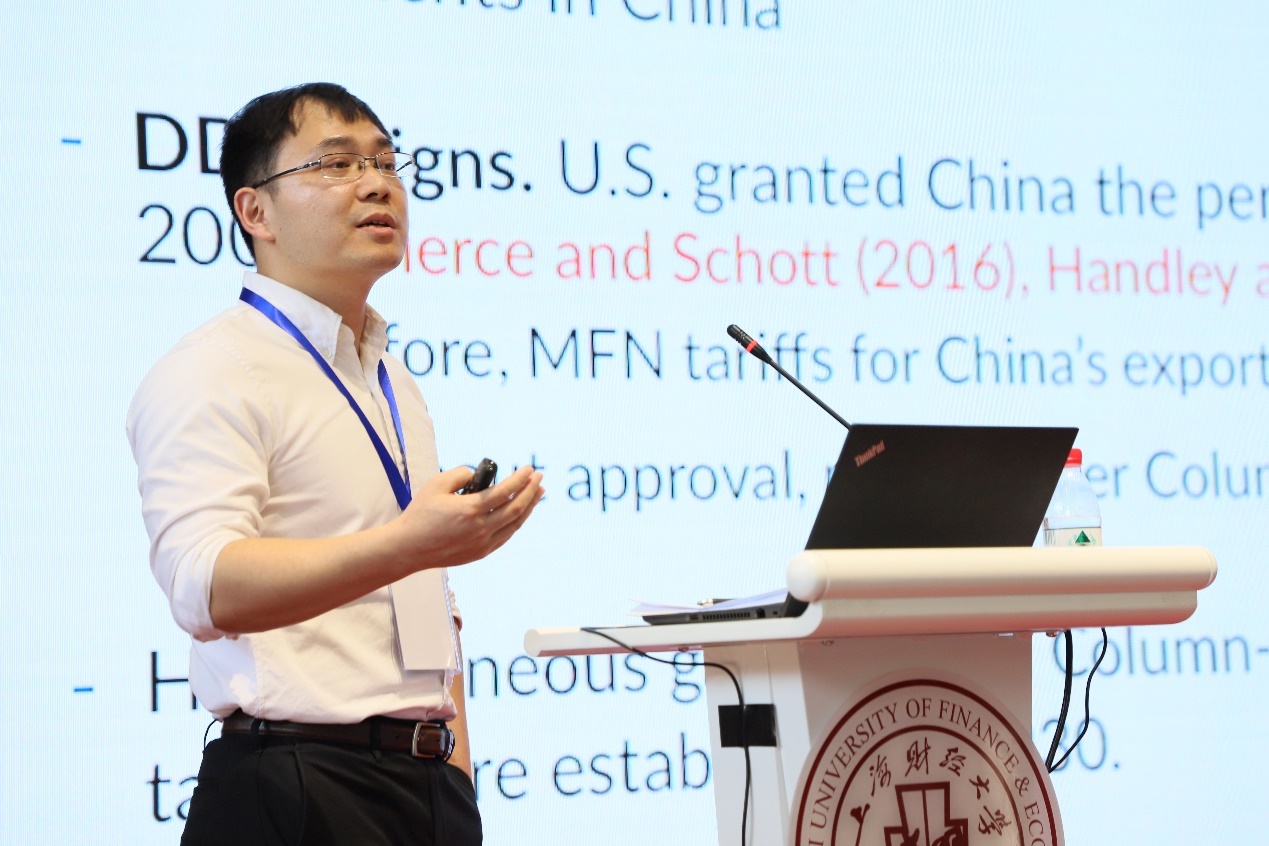
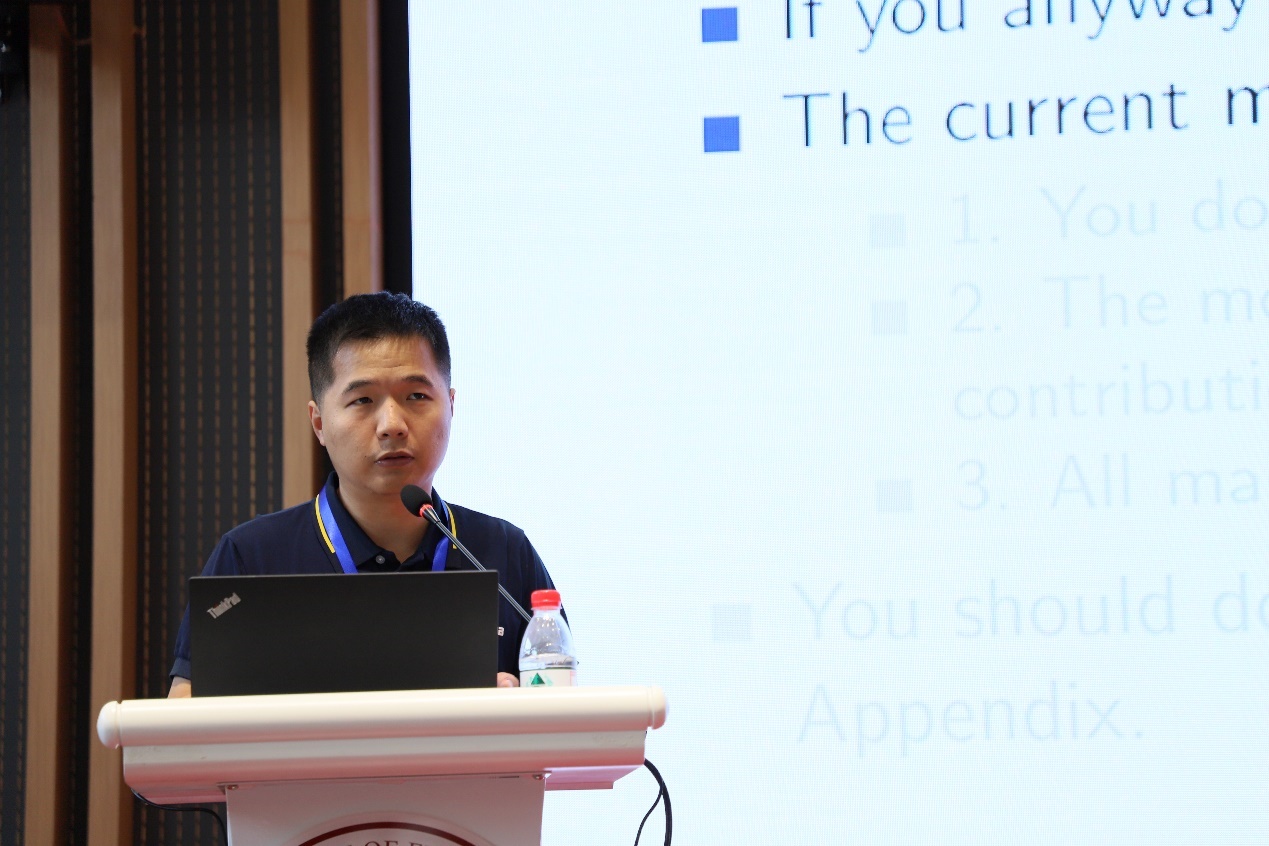
The theme of Jianpeng Deng, assistant professor of Shanghai University of Finance and economics, was "trade policy uncertainty and foreign direct investment: evidence from China's WTO access". Taking China's accession to the World Trade Organization as a quasi natural experiment, he used the double difference method to investigate whether the trade policy uncertainty (TPU) in the market of China's main export destination country (the United States) would affect the inflow of foreign direct investment (FDI) into China. In his speech, he proposed that compared with industries facing smaller TPU decline in the United States, FDI inflowed in industries with larger TPU decline in China increased more. After excluding FDI from the United States, the result was still the same. Assistant Professor Deng Jianpeng believed that TPU reduction in major economies was crucial to increasing global foreign direct investment flows and economic recovery in the epidemic. Associate Professor Chang Ma from Fudan University thought this it was an interesting article, but proposed that time-varying industry variables (such as industry capital, technology intensity, etc.) need to be considered to improve the setting of measurement model, and enterprise level data could be used to further investigate the mechanism of reducing the impact of trade policy uncertainty on foreign direct investment.
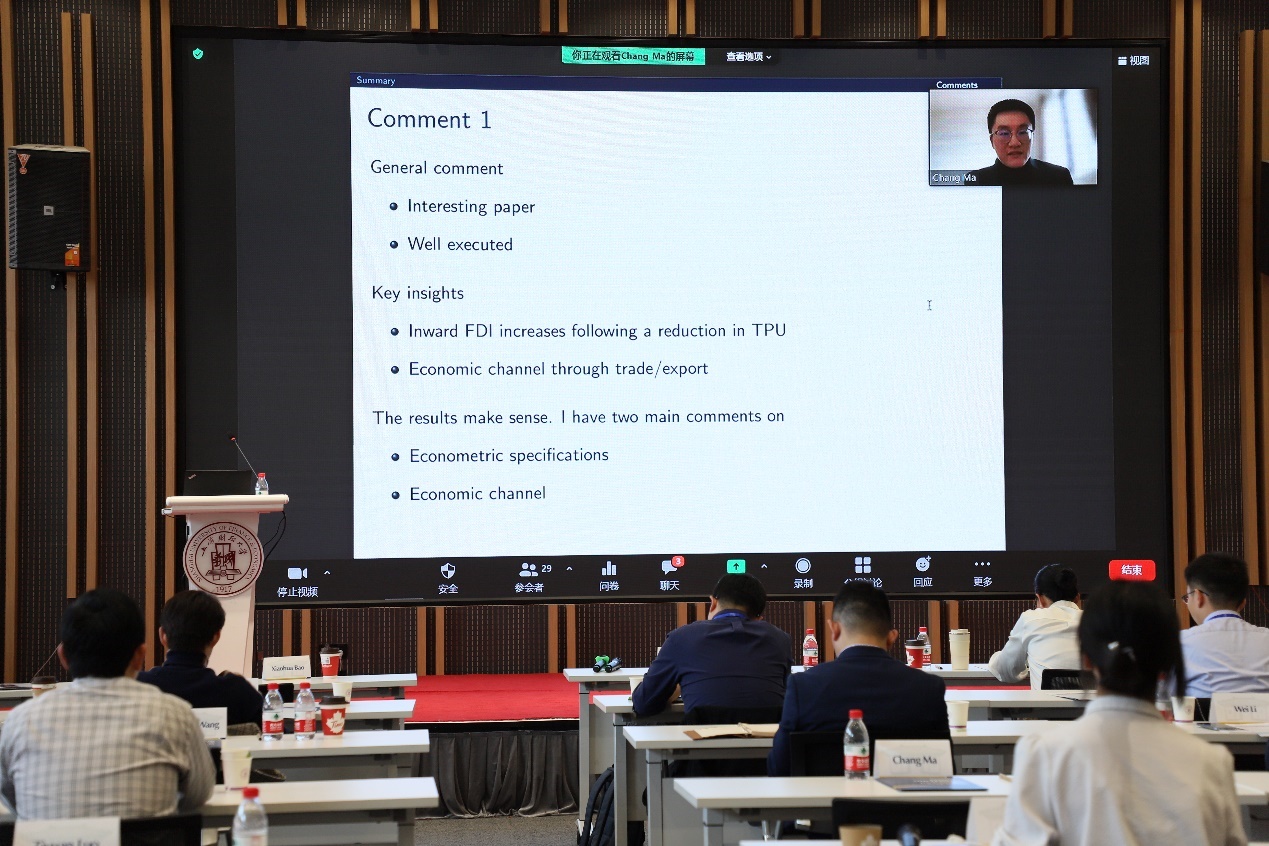
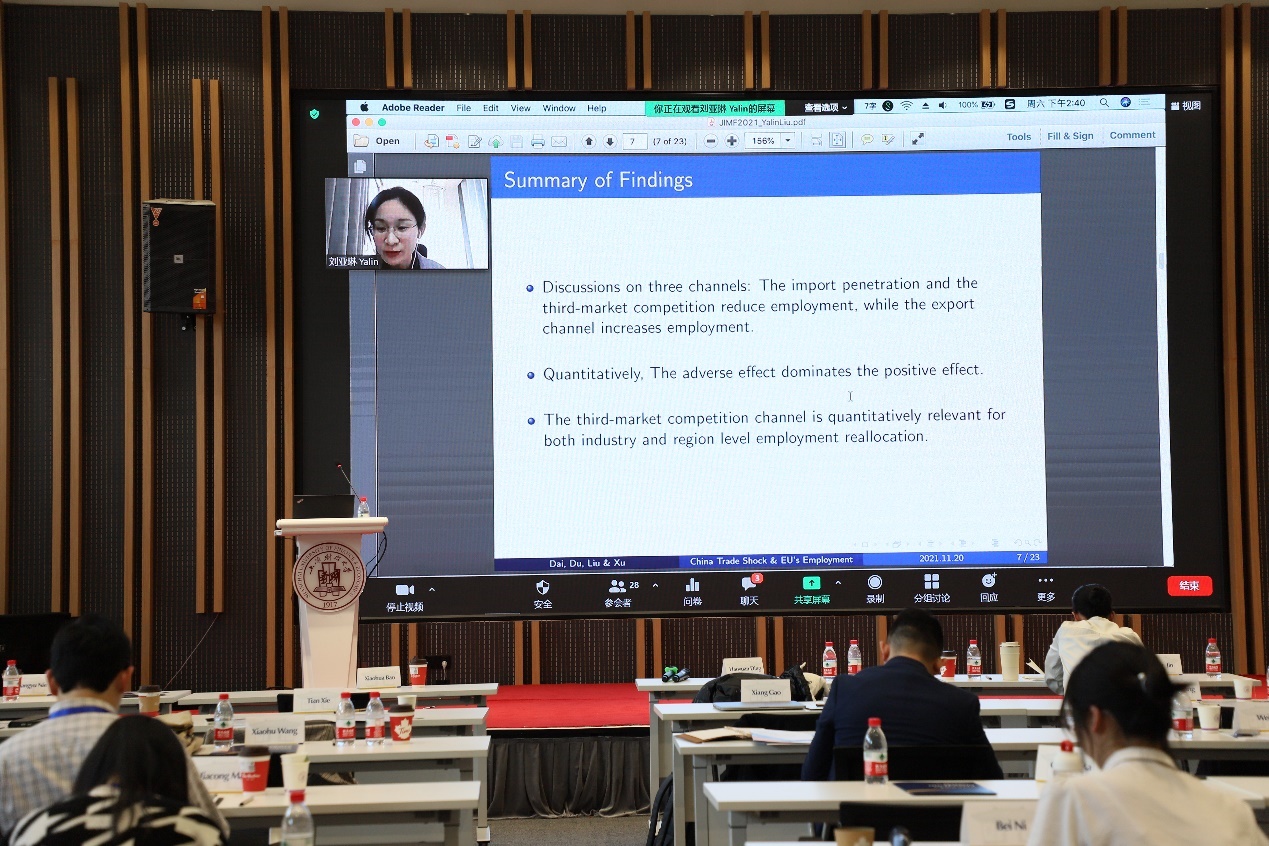
The theme of Assistant Professor Yalin Liu's speech at the Central University of Finance and economics was "the China trade shock and the European Union's Employment: the role of third market competition". The author divided the influence channels of trade with China on the domestic labor market into three aspects: import infiltration from China, direct export to China, and trade market competition with China in the third country within the EU. Import penetration from China and trade market competition with China in third countries would have an adverse impact on their relative employment growth, while exporting to China would increase their relative employment. Moreover, the negative impact of import penetration and competition with China in the third country market on employment is greater than the positive impact of export on employment. Assistant Professor Zibin Huang of Shanghai University of Finance and economics commented that it was very interesting to explore the channel of trade market competition between third countries within the EU and China, and the relevant models that decomposed the impact mechanism of trade shock into three aspects need to be deduced in more detail.
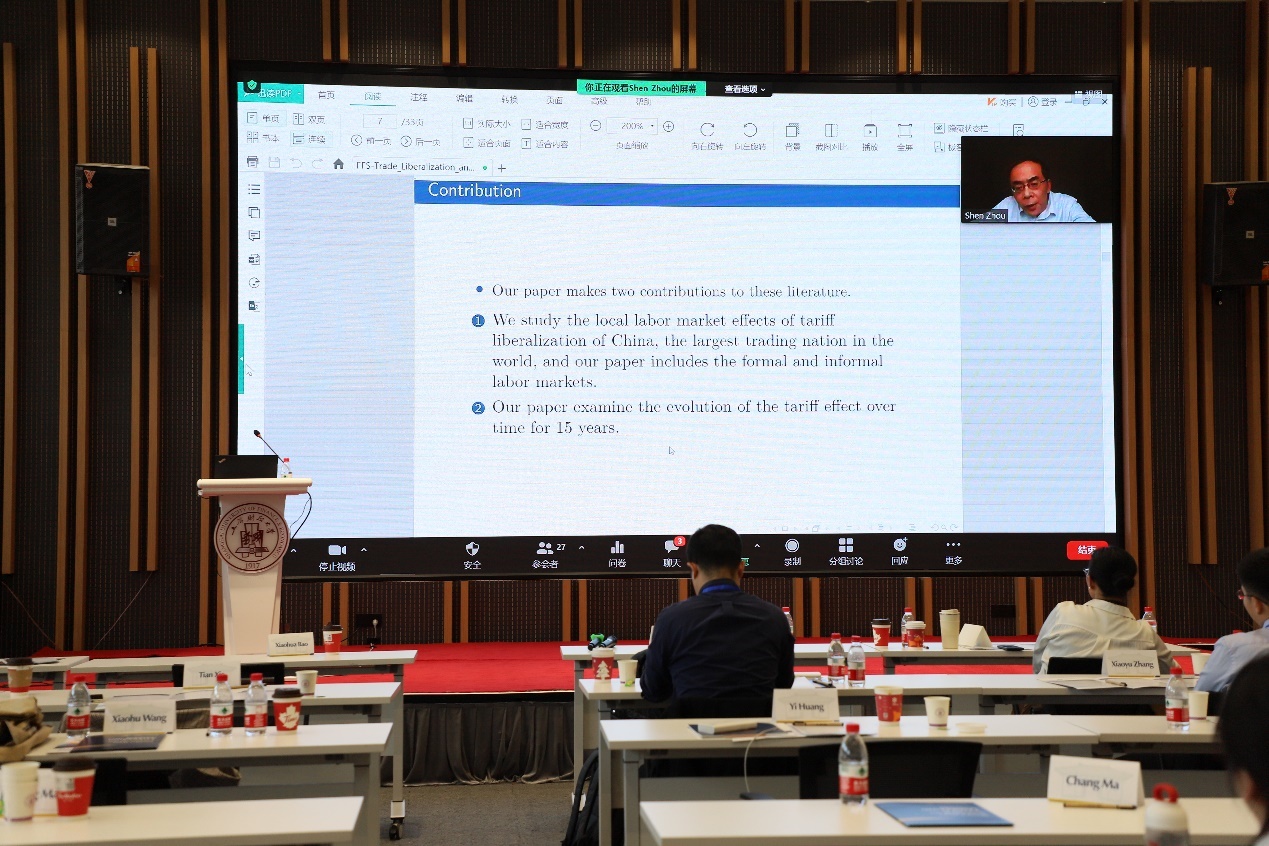
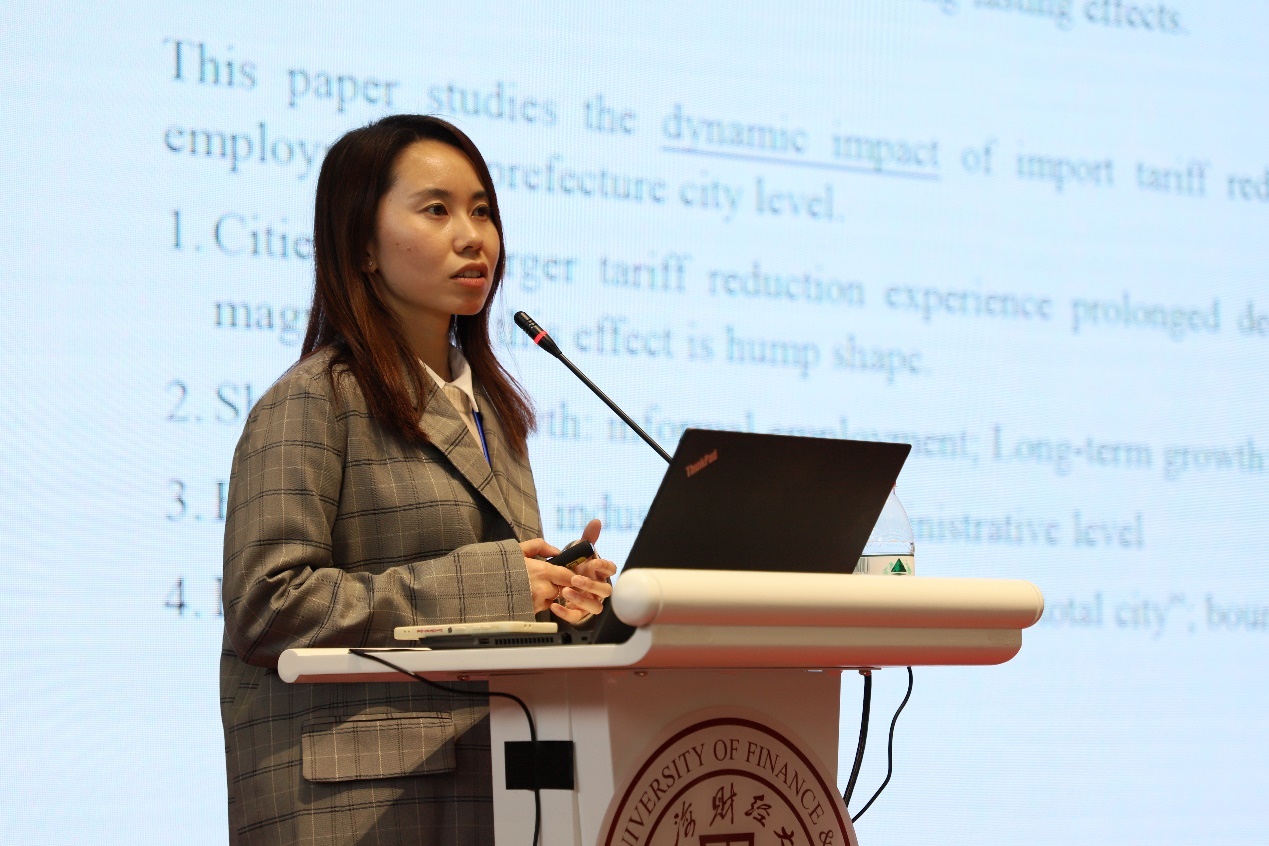
The theme of Professor Shen Zhou 's speech at Nankai University was "trade liberalization and regional labor market dynamics: evidence from China's WTO access". He used the event of China's entry into WTO to explore the evolution process of the impact of trade liberalization on China's formal labor market and informal labor market. The empirical results showed that compared with other cities, the average wage of cities facing large tariff cuts had decreased for a long time, but with the passage of time, the range of adverse impact was hump shaped; Secondly, the tariff impact would not affect the scale of regional formal employment in the short term. In the long run, the tariff impact would lead to the expansion of regional formal employment, and the reduction of regional tariff would affect informal employment in the short term. In addition, the impact of long-term growth on formal employment mainly comes from manufacturing, and higher-level cities did not experience the negative impact of formal wage growth. Tong Qi, an assistant professor from East China Normal University, affirmed the value of the study, suggested that non-trade sectors, intermediate goods and final goods differences should be considered in the measurement of tariff impact, and believed that the definition of formal and informal labor market could be improved through micro census data. At the same time, she put forward further suggestions on the empirical mechanism.
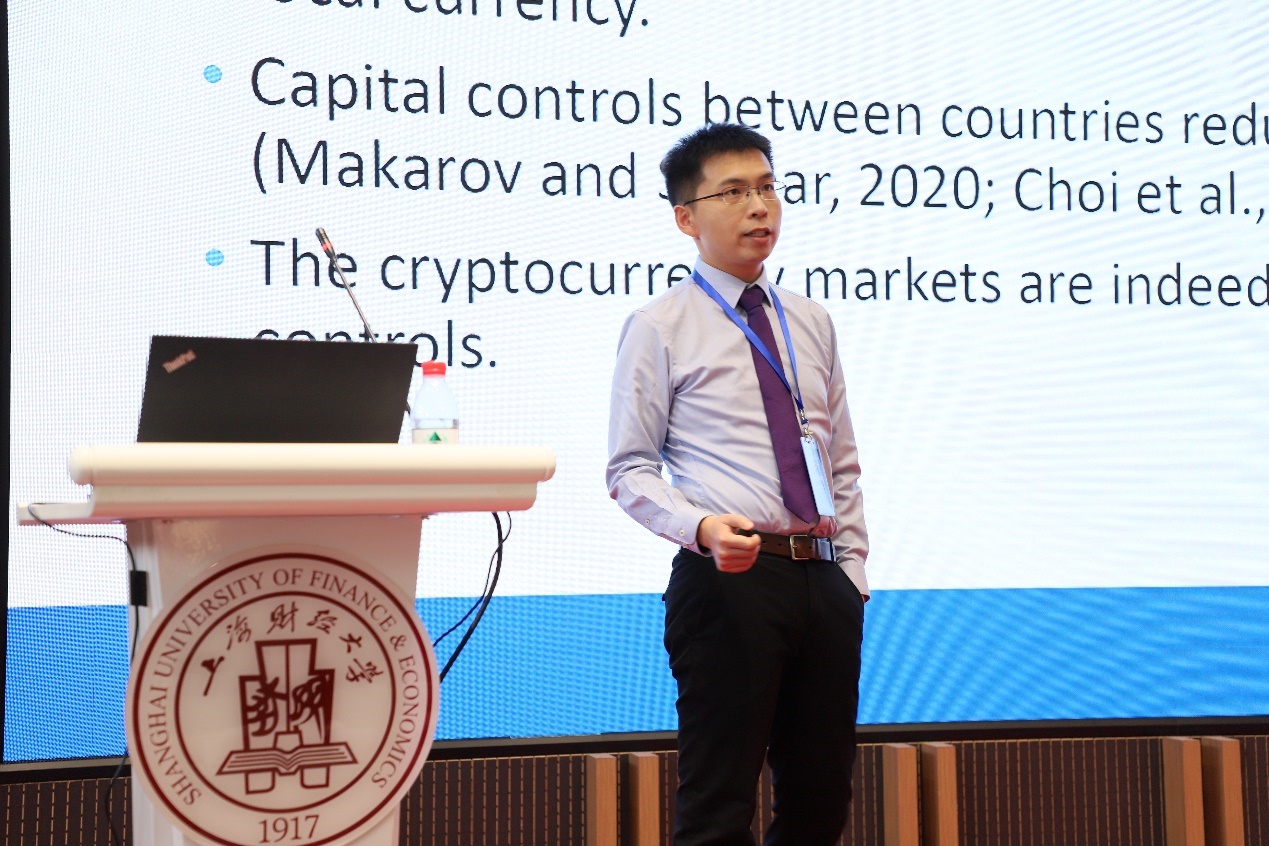
The theme of Assistant Professor Xiaoyu Zhang's speech at Shanghai Foreign Studies University was "cryptocurrency price discrepancies under uncertainty: evidence from covid-19 pandemic". Taking the novel coronavirus pneumonia outbreak and the subsequent blockade policy as natural experiments, the paper used DID to explore the effect of national uncertainty on the price difference of the special currency. It was found that in countries with confirmed cases of new crown pneumonia and strict blockade policy, bitcoin prices were higher, and this effect was stronger in countries with lower hygiene conditions and individualism. COVID-19 Furthermore, the article also verified the "safe haven" hypothesis, that was people would regard cryptocurrency as a risk hedging channel. Associate Professor Tian Xie of Shanghai University of Finance and economics believed that the research theme of this article was interesting and logical, and put forward that if there was a more detailed data set, the empirical results would be more convincing and robust.
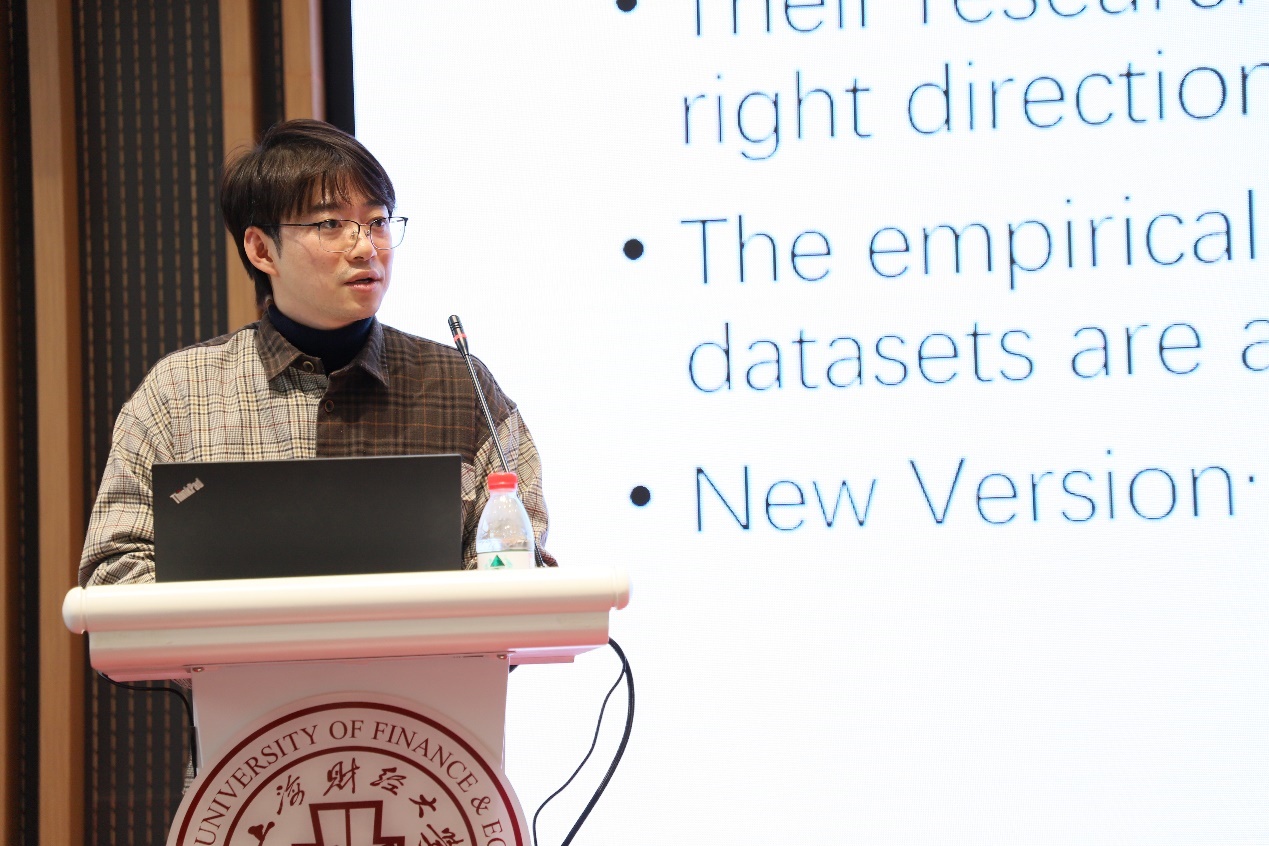
The theme of Professor Yi Huang's speech at Fudan University was "bond financing channel of monetary policy: evidence from Chinese bank lending". Using the detailed loan information of policy banks and empirical means, this paper put forward a new transmission mechanism that monetary policy affected the financing cost of policy banks by affecting the bond interest rate, and finally affected the loan interest rate of the bank, and found that this mechanism played a more obvious role in the tightening period of monetary policy. In addition, when the region where the loan object was located had low economic development, weak financial capacity and low financial penetration, the bond interest rate channel could more effectively transmit monetary policy. Assistant Professor Chang Li of East China Normal University commented on the article and believed that this paper used the special financing mode of policy banks and unique detailed data to study the transmission of monetary policy from a novel perspective. At the same time, Assistant Professor Chang Li gave relevant modification suggestions on how to implement monetary policy to policy banks, the endogenous problem of government intervention, various measurement methods of monetary policy, the reasons for the heterogeneity of monetary policy, etc.
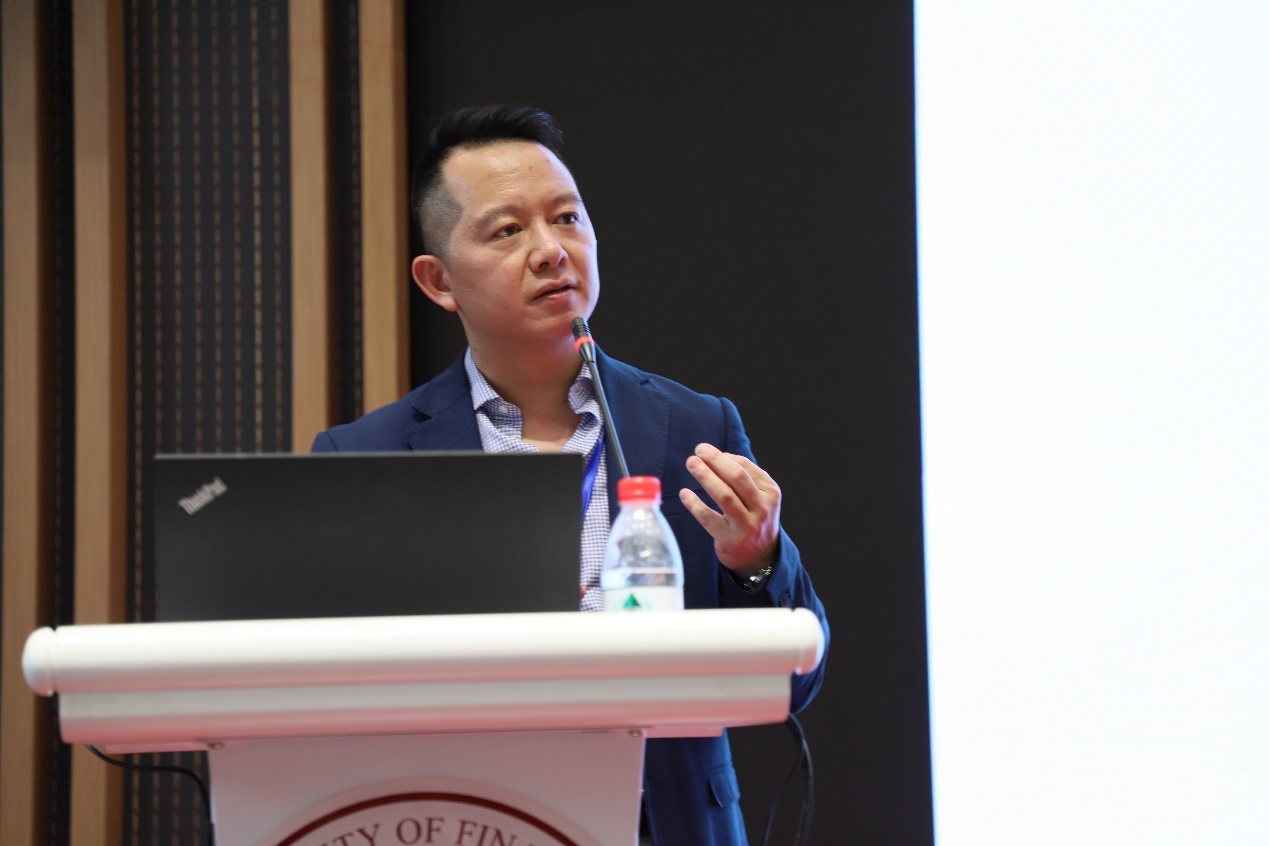
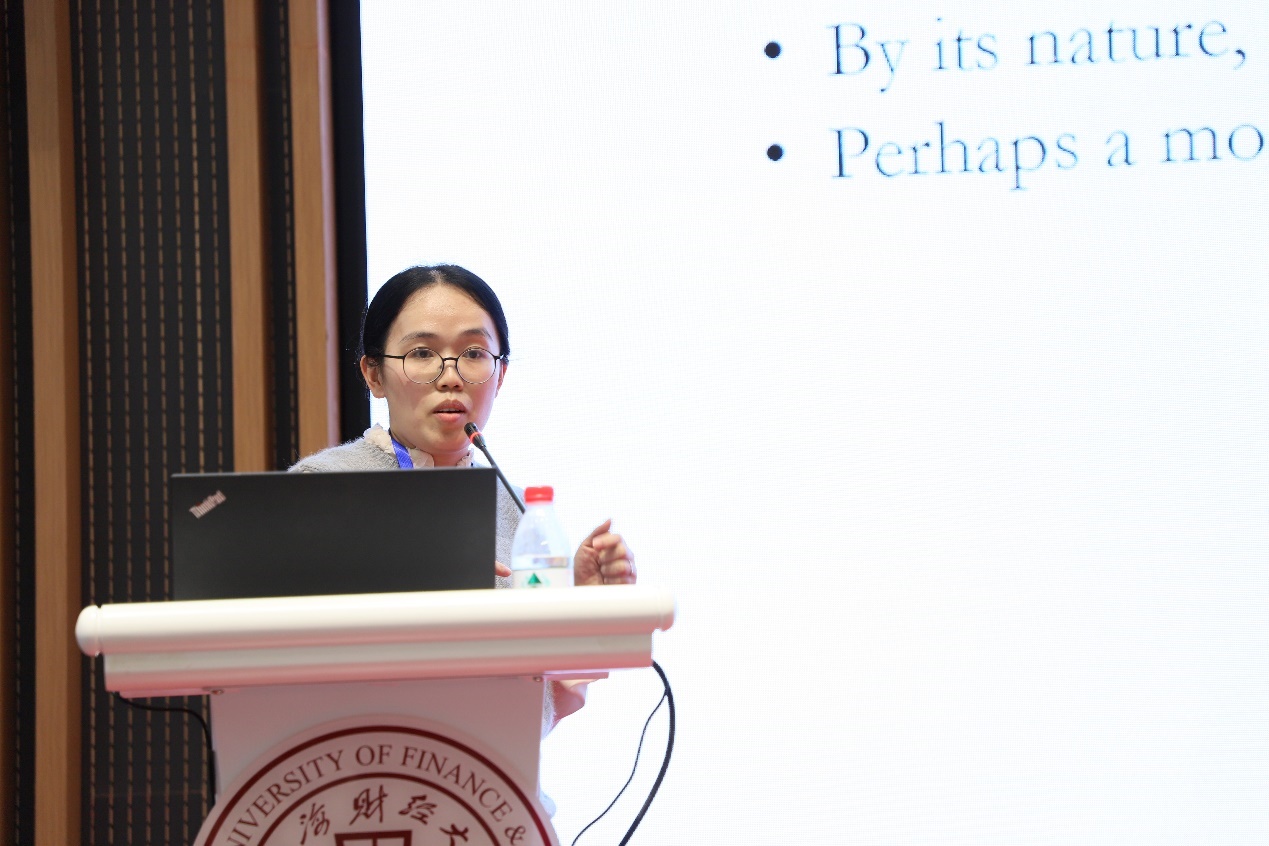
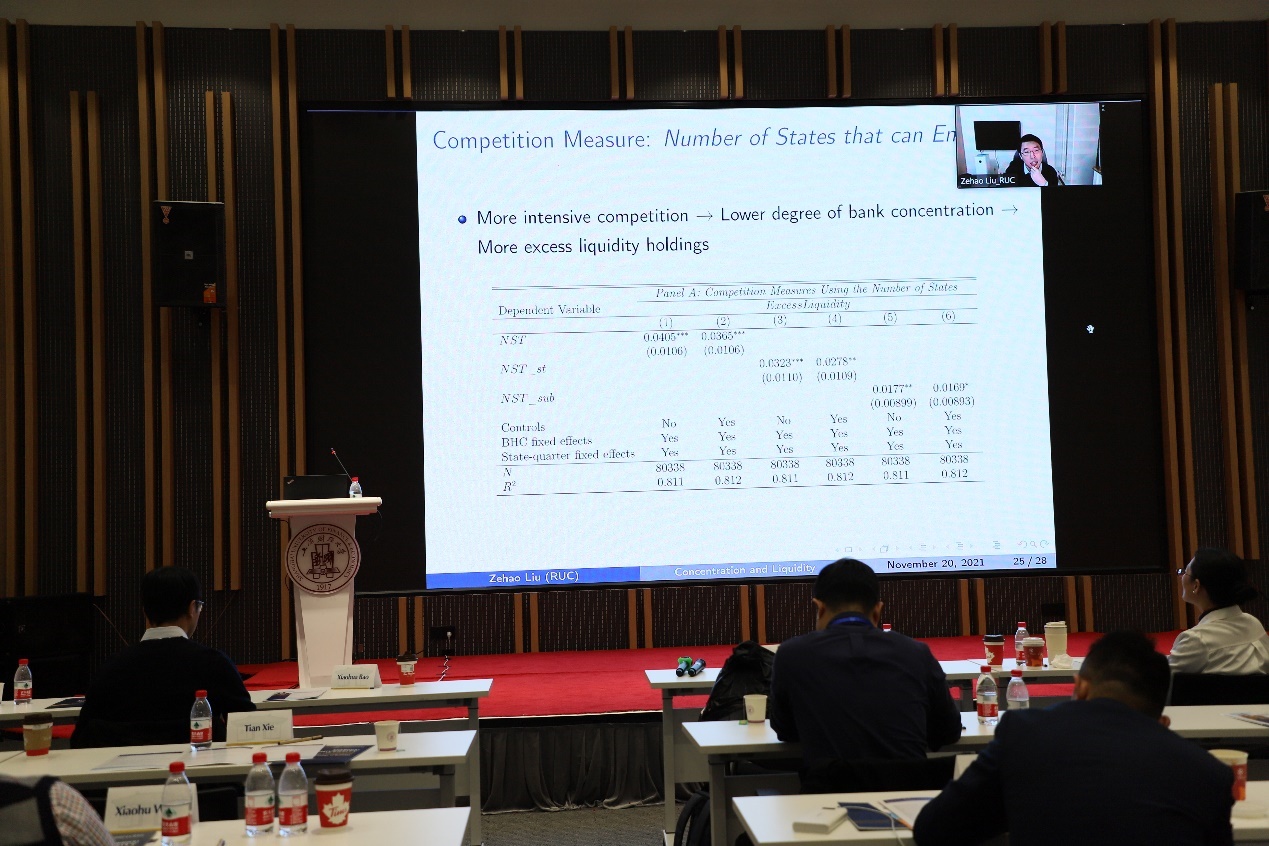
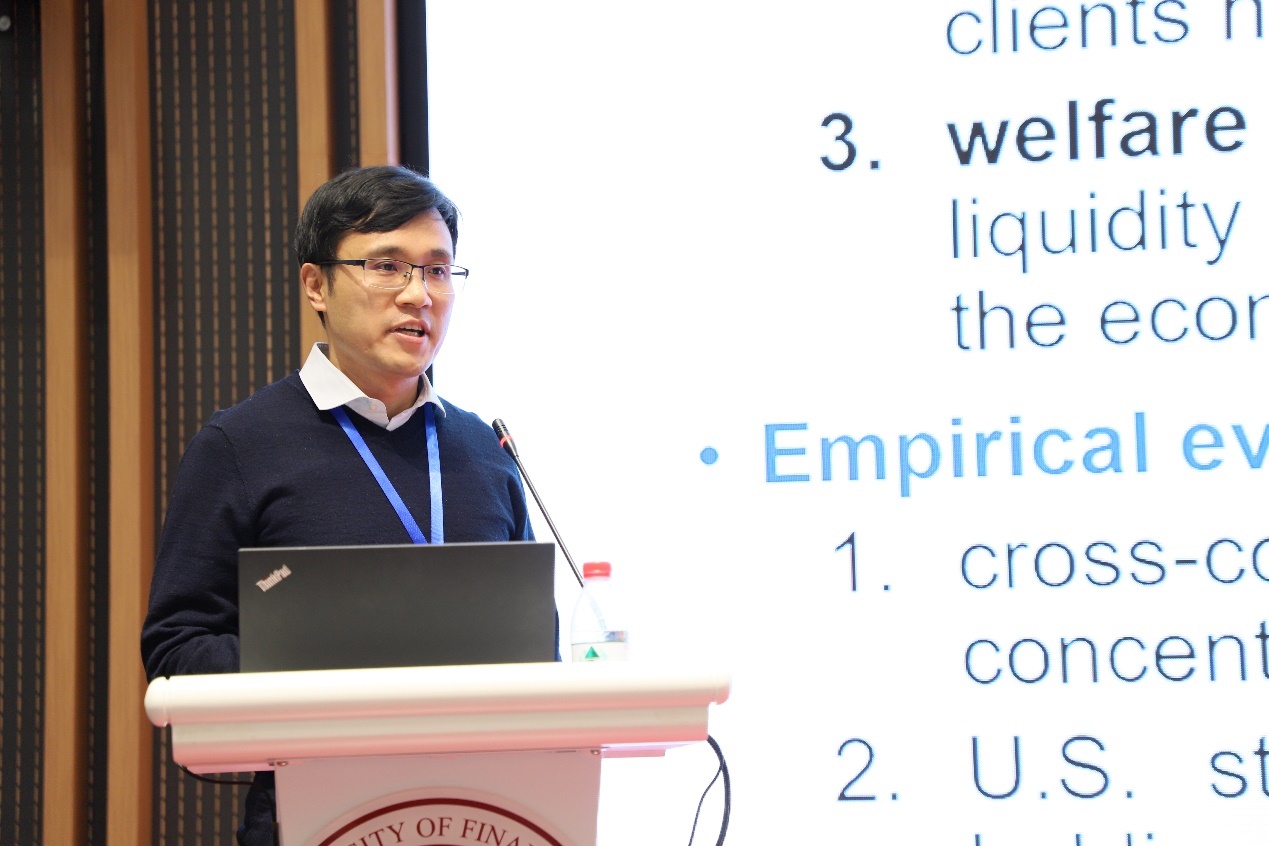
The theme of the speech by Associate Professor Zehao Liu from Renmin University of China was "bank concentration, payment system, and liquidity". This paper constructed a three-phase theoretical model and made an empirical analysis combined with the fact that multinational banks before the financial crisis and American banks relaxed intercontinental regulation at the end of the 20th century, and discussed the relationship between bank concentration and bank necessary liquidity holding. The results showed that the higher the concentration of the banking industry, the more likely consumers were to become customers of the same bank. After the deposit becoming the main payment channel, the bank could not perform the actual payment, which reduced the bank's payment obligation, so the bank could hold lower liquidity. Associate Professor Guangyu Nie of Shanghai University of Finance and economics affirmed the story of the article and further proposed that the article model should highlight assumptions and parameters, distinguishing the response of banks of different sizes to liquidity risk, and paid attention to the changes at the bank level and its long-term response, so as to better verified the causality.
【Keynote Speech Ⅱ】
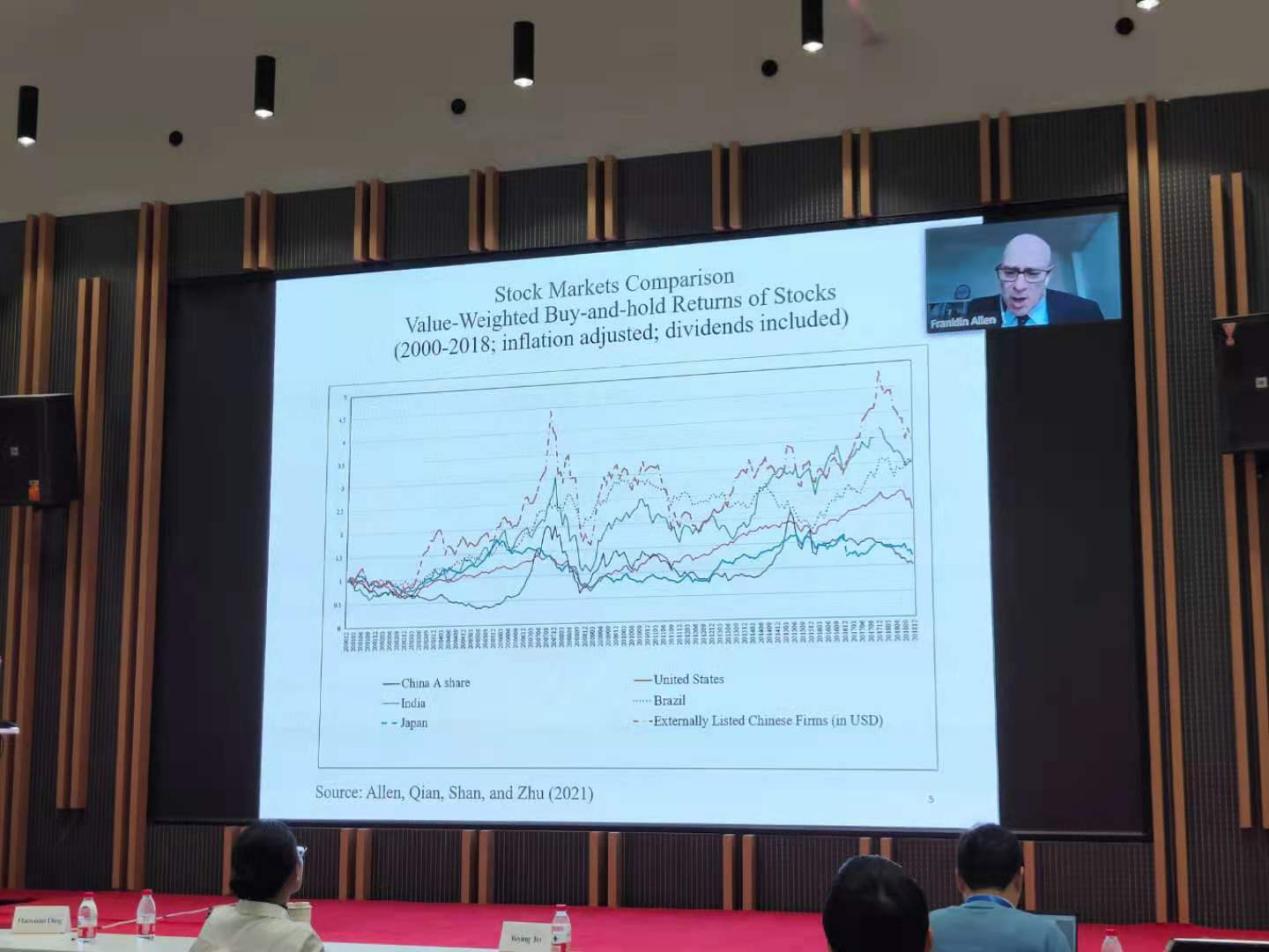
The theme of Professor Franklin Allen's keynote speech at Imperial College was "fintech, cryptocurrencies, and financial structural transformation". Professor Franklin Allen first expounded the fact that China's economic development does not match the status of the international financial system, summarized the development characteristics of China's financial system, and analyzed the current situation and application of financial technology from three aspects: credit score, network based on Banking and investment services and P2P platform. Then, Professor Franklin Allen introduced the current situation of China's financial technology application, financial technology regulation and the development of cryptocurrency and central bank digital currency. He pointed out that China's competitive advantage in financial technology contributes to the transformation of China's financial system, and China's central bank digital currencies (cbdcs) pilot was leading the world, which helped to promote the structural transformation of the international financial system.
At the end of the meeting, Professor Kees koedijk made a concluding speech. He introduced the follow-up submission and process of the papers participating in the seminar, and mentioned that next year was the 40th anniversary of the founding of JIMF. JIMF would continue to cooperate with Shanghai University of Finance and economics to hold the Third Seminar. Excellent papers at home and abroad were welcome to contribute to the seminar.
Contributed by Tong Qi, Sunyao Xia, Qikai Wang, Xiao Li, Liang Wang, Yu Zhang, Wenjuan Dong, Hongyu Zhuang, Pei Peng, Xingyu Lu,Mo Zhang, Jiaxin Liu, Xinrui Lin;
Translated by Pei Peng;
Photo and video by Yijie Zhang;
reviewed by Zhuoer Cai, Mengxue Shen.


